Interview: Tibo De Saegher shares his top gear picks from MPB
Interview: Tibo De Saegher shares his top gear picks from MPB
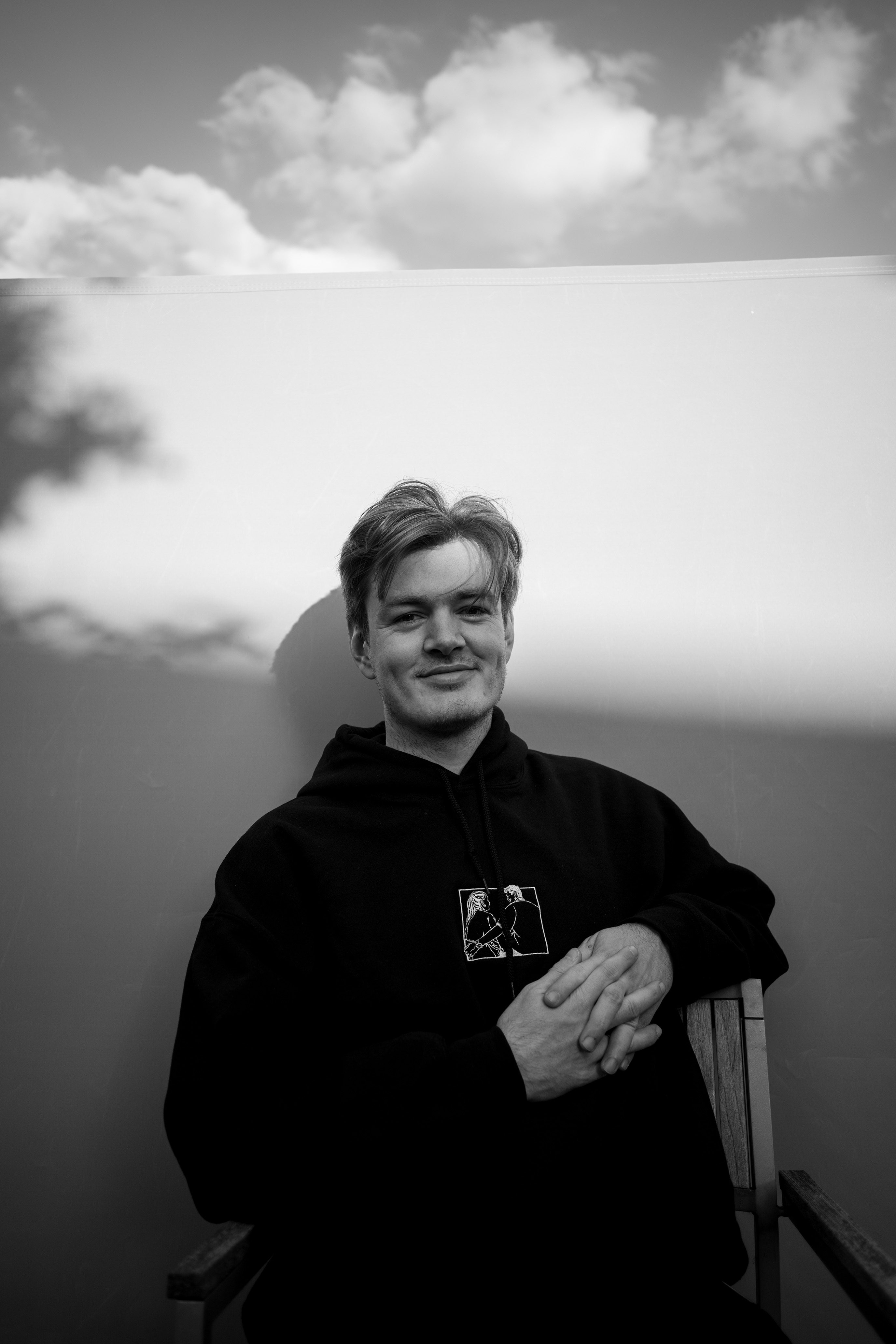
For BSPF’s 10th anniversary, we’ve partnered with MPB, the world’s largest online platform for second-hand photo and video equipment. As part of this collaboration, three Brussels-based photographers were given the unique opportunity to borrow and test €5,000 worth of gear from MPB’s platform—free of charge. Tibo De Saegher, a self-taught photographer with a background in chemical engineering, was one of them. We sat down with him during the festival to discuss his work, his obsession with authenticity, and his experience with the Leica M Summilux ASPH 35mm FLE.
Hi Tibo! Nice to meet you. Can you tell us a bit about yourself?
My daily life is as far removed from photography as you can imagine. I’m a doctor in chemical engineering technology and work as an analytical project engineer and manager, helping clients set up equipment to analyze whatever they need. Photography is my counterbalance, it’s the complete opposite of my rational, structured job.
I started in 2017 after a skateboarding injury left me sidelined. Skateboarding was my main hobby, and all my friends were skateboarders. When I couldn’t join them, I borrowed a friend’s camera to take pictures of them, which we then used for our own little media brand. I enjoyed it so much that I bought my own camera. My parents thought I’d lost my mind, but over time, photography grew into my greatest passion—almost an obsession.
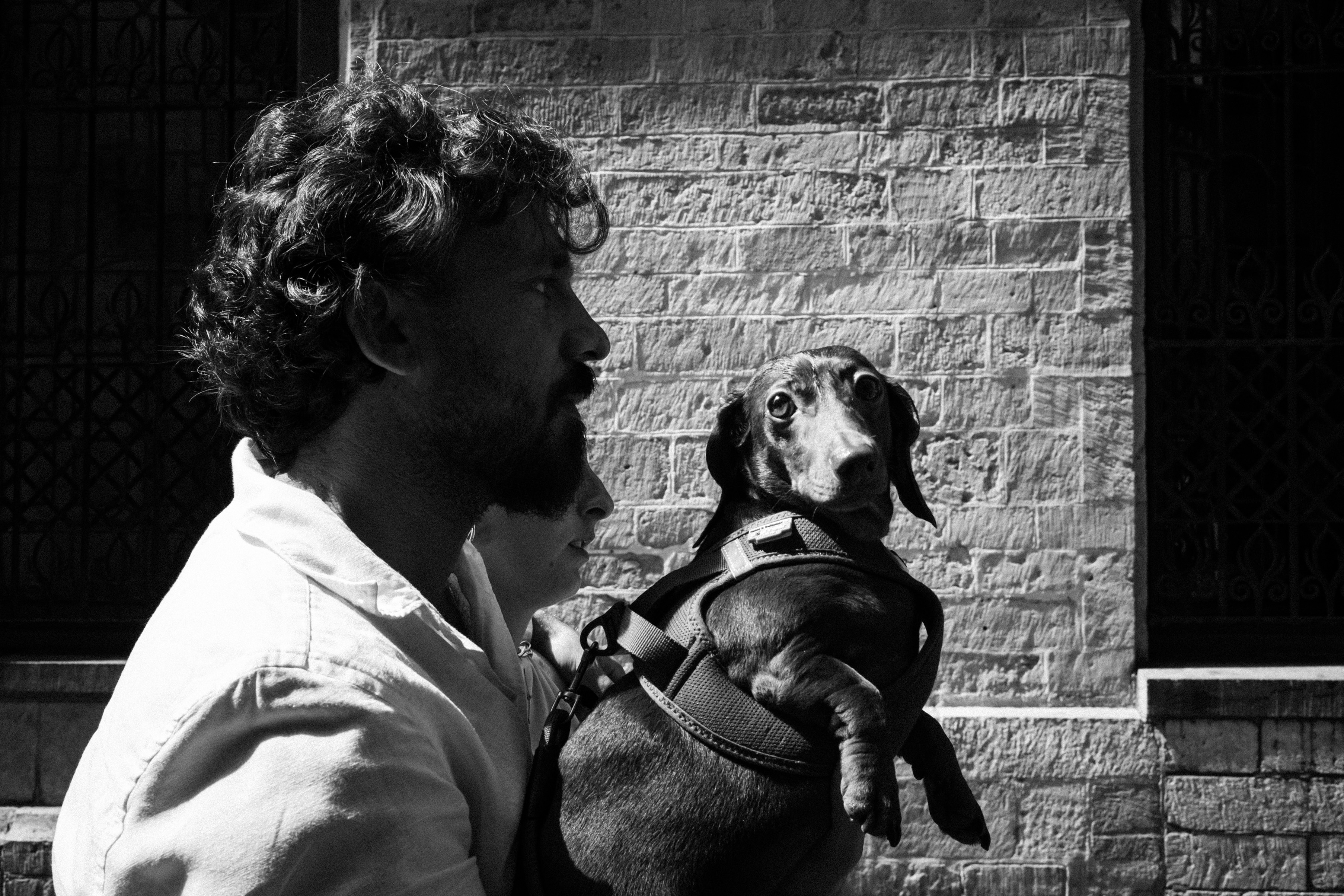
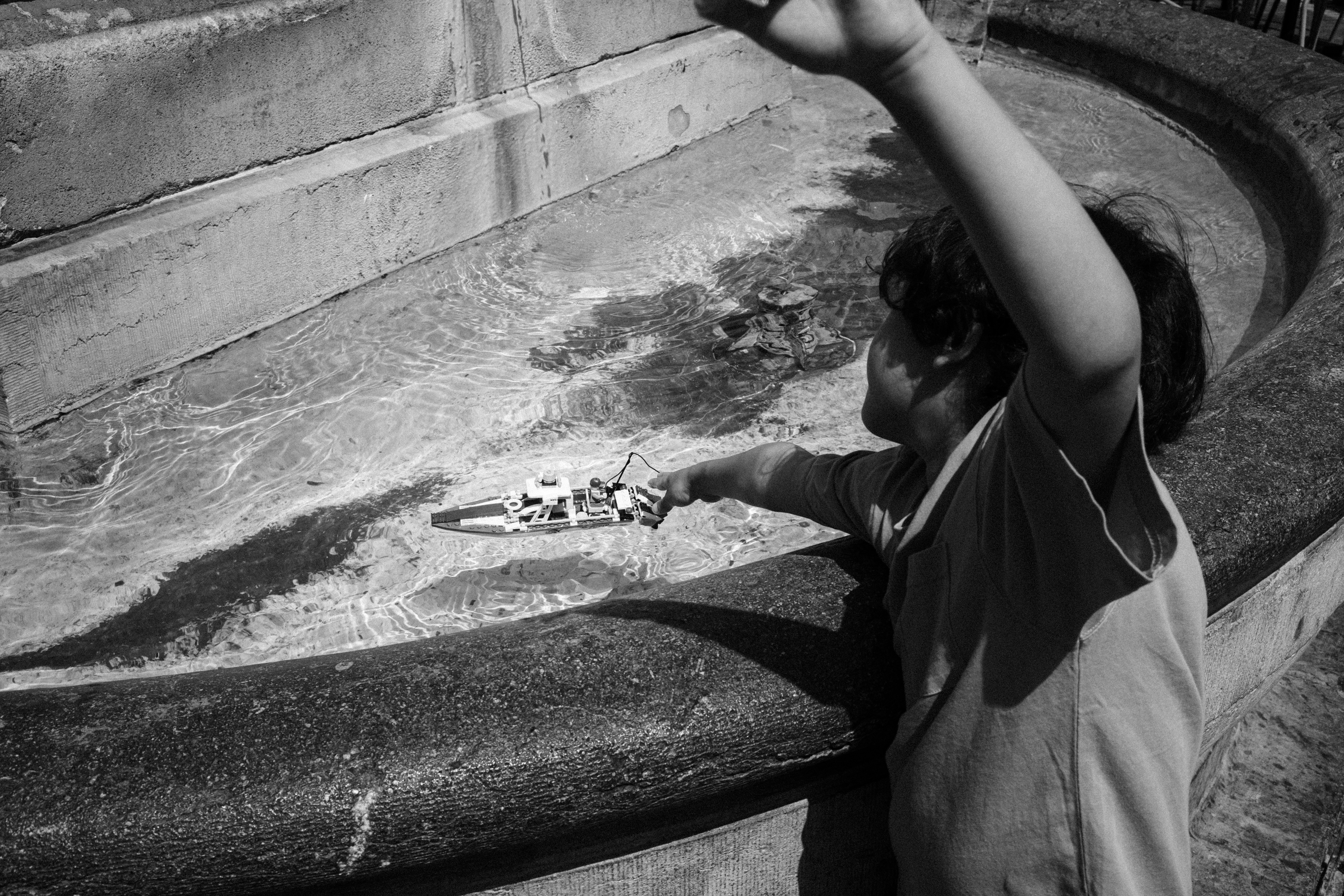
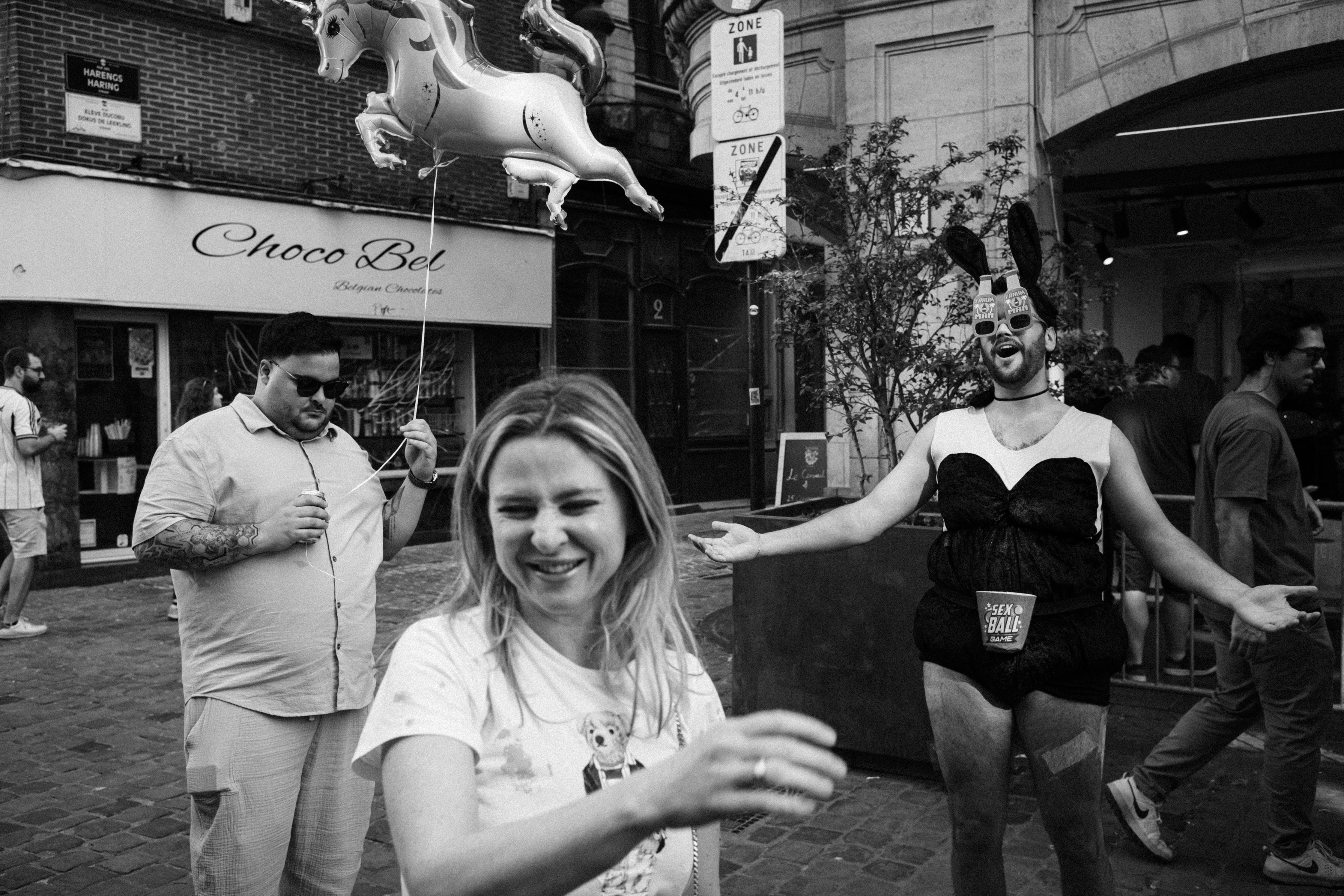
I wouldn’t necessarily call myself a photographer, though. I stopped all commercial work years ago. Now, it’s purely personal. It’s not about grand projects; it’s about serendipity. I carry a camera everywhere unless it’s not legally allowed, and wander aimlessly until something catches my eye. Lately, I’ve become obsessed with authenticity; photographs that reflect something genuine and unfiltered. I’m often triggered by things that are quintessentially Belgian or Flemish, rather than funny moments or outspoken individuals. The percentage of things that trigger me to take a photograph has actually decreased, which is ironic because I’m now taking fewer pictures than before.
How would you describe your personal style and approach?
I’m entirely self-taught, and I learned a lot online. Luckily, I pick things up quickly. For me, the process of taking photos is the most important part. It’s the antidote to my rational mind. The act matters more than the result.
My background in chemistry naturally led me to analog photography. I even develop my own film. I also tend to take a step back from my work, sometimes waiting weeks or even months before reviewing my shots. Seeing the images too soon can feel like a slap in the face, leaving me convinced I failed that day, which can be demotivating. I’ve been working primarily in black and white for the past three years. Before that, I shot a lot in color, but I struggled to maintain coherence. Black and white always felt more logical and thematically consistent to me, so for now, that’s what I’m doing.
Authenticity and spontaneity are essential to me, and street photography—unstaged, unposed—embodies both. It’s an endless fascination. I’ve always loved watching people, and photography allows me to capture those moments. It’s a vicious cycle: the more I look, the more I see, the more I appreciate it. Street photography feels like the perfect embodiment of my approach, even if it doesn’t necessarily take place in urban settings.
What’s your relationship with Brussels?
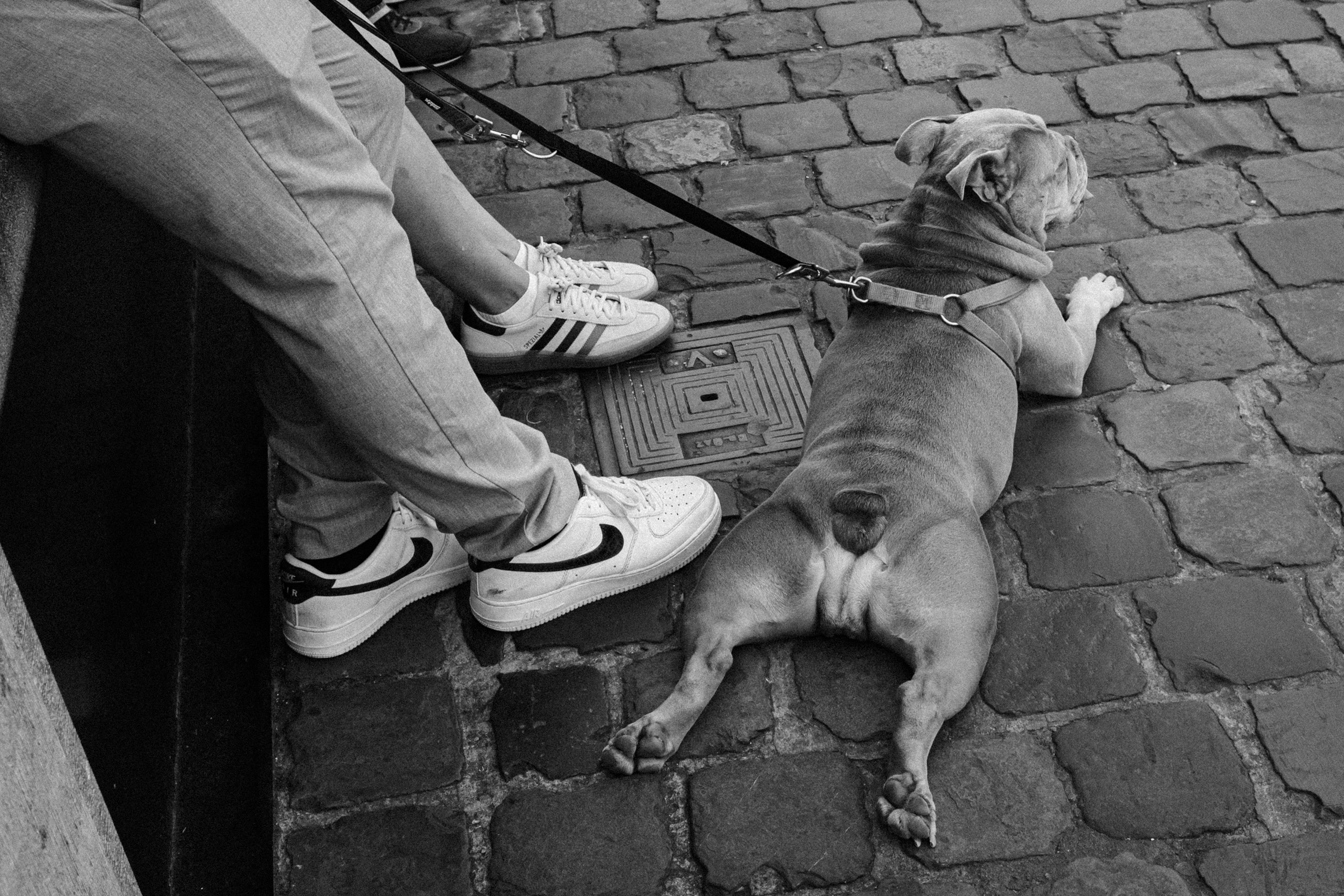
Brussels has always been the most difficult city in Belgium for me to photograph. I know many people who live here and have come to love it as their favorite city, but only after spending a lot of time here. My theory is that Brussels is like a sandwich covered in a thick layer of tourism. As a sporadic visitor, that’s what stands out, and as a street photographer, it’s the easy but obvious choice.
There are plenty of opportunities in Brussels. There’s always something happening, but it doesn’t always feel real. The true essence of Brussels is harder to capture. It’s only by spending a lot of time and moving away from the central areas that you get a glimpse of it. You have to know to know, and that can take years. I once walked around for 8 or 9 hours in the Marolles neighborhood before I felt I’d taken a photo that was truly Brussels.
You recently tried out some photography gear from MPB. Were you familiar with their platform? What did you pick?
I’m a repeat customer! Almost all of my equipment is second-hand. The cost of gear is so high that I find it hard to rationalize buying something new, when you can get guarantees and a detailed condition overview at a lower price. It gives me confidence that someone has already checked it out. Plus, I prefer using older equipment, especially in the analog world. Sometimes it’s even older than me.
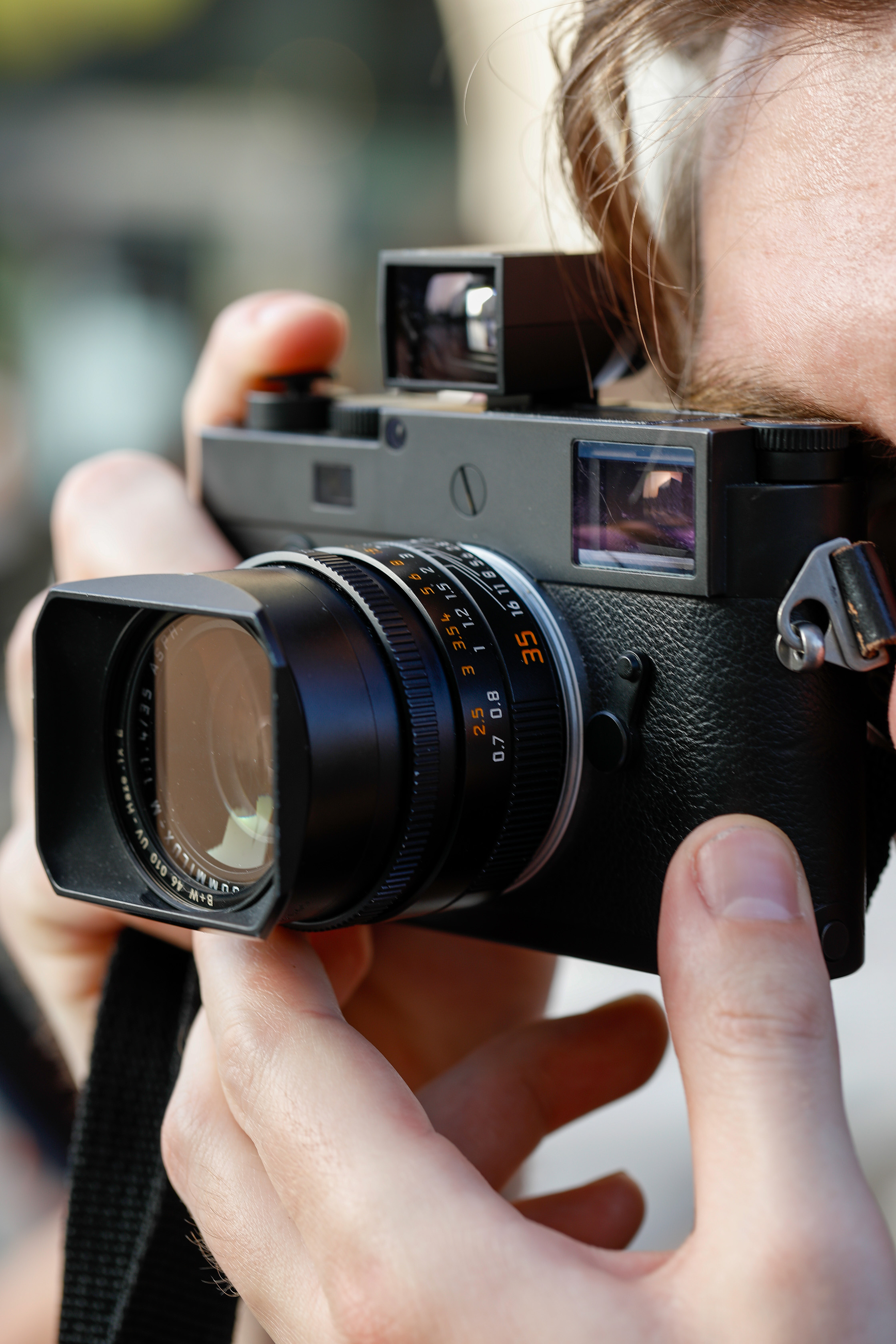
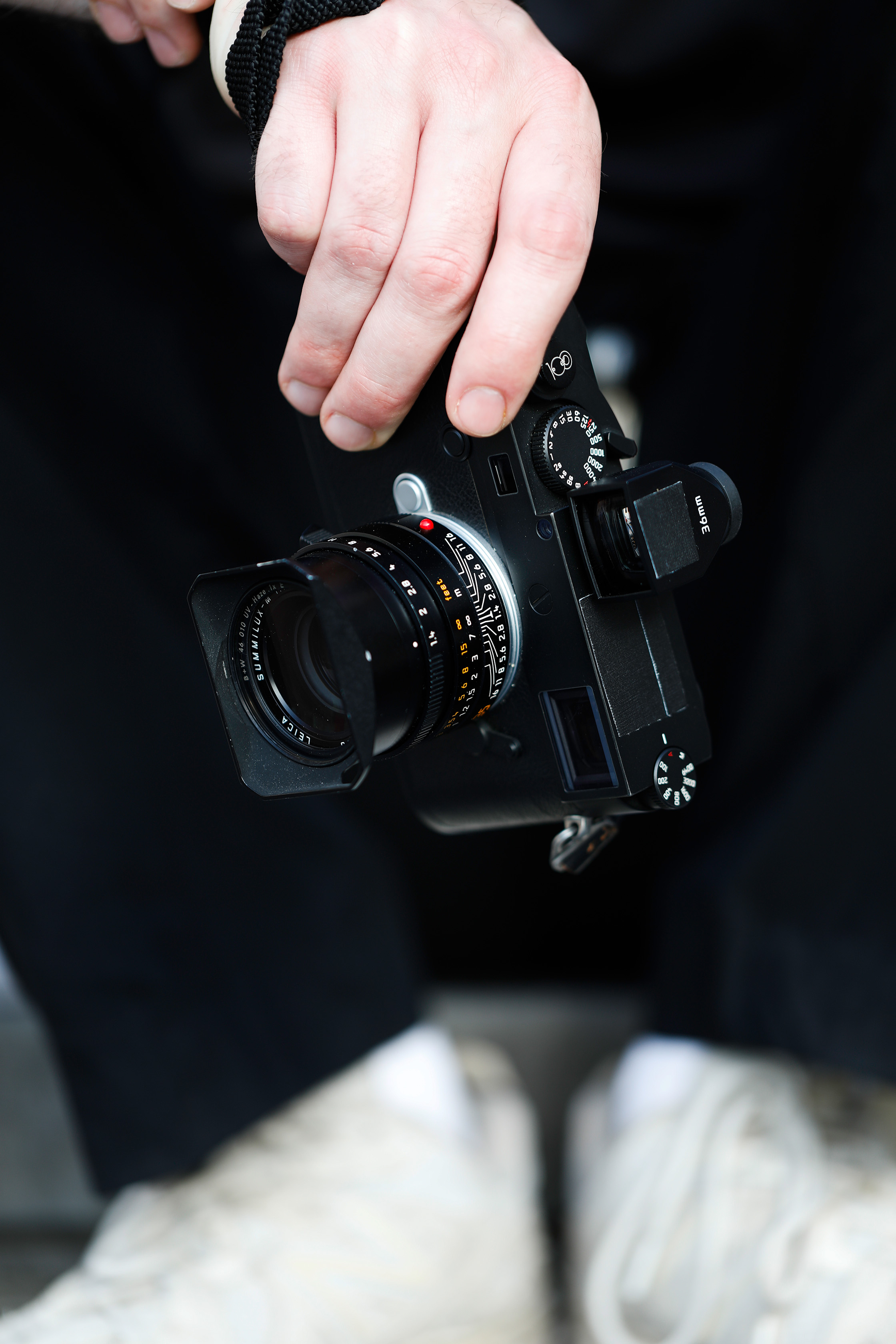
I’ve become deeply immersed in the Leica M system. I own a Leica M10-D, a digital camera without a screen, so I don’t have to look at what I’m doing. I also have two analog Leica M bodies. What I love about the system is that the lens mount has never changed, not even after the switch to digital. So the oldest lenses work perfectly on the newest cameras, and vice versa. For this collaboration, I chose the Leica M Summilux ASPH 35mm FLE. Within the Leica world, the Summicron is my usual go-to: extremely light, compact, and sharp, so ideal for street photography. The Summilux, however, adds a little extra spice. It’s where the distinct Leica look really shines. It’s a bit heavier but with a wider f/1.4 aperture that delivers a more romantic, less clinical rendering. I was curious to see if I’d notice the difference in my photos or in how I shoot—whether I’d embrace those wider apertures more.
How has your experience with the material been so far?
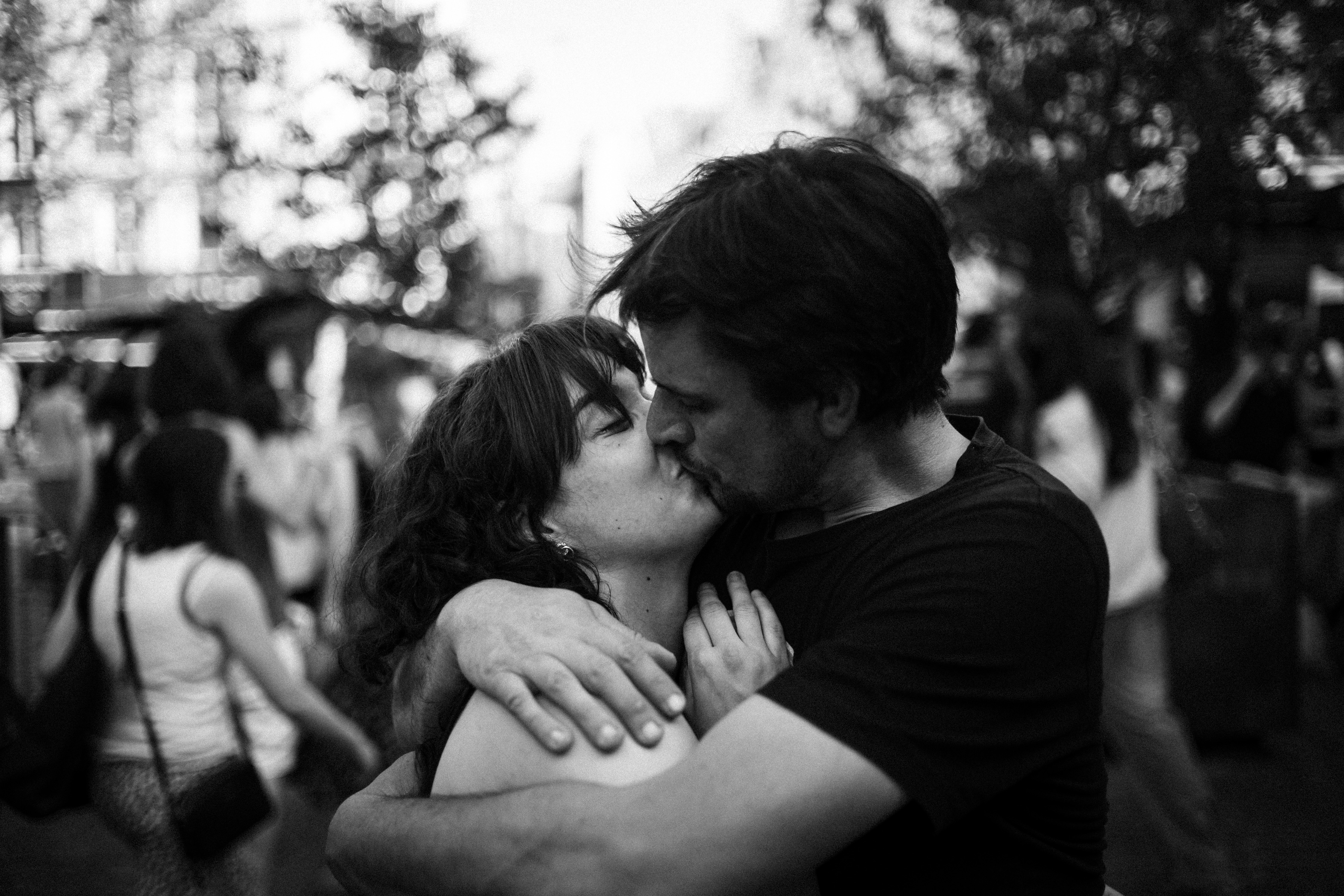
I spent two full days in Brussels with the lens. On the first day, I mostly stayed in the city center: safe, but less genuine. On the second day, I focused on the outskirts: a medieval fair, a Japanese festival, and some obscure events. No groundbreaking photos, but the 35mm was seamless to work with. There’s one photo of a couple at f/1.4. I wouldn’t normally shoot like that, but I thought, Why not? It made the romantic kiss moment even more romantic. The analog photos I took with the lens might be more for personal use, but one analog shot made it into my final selection.
The difference between the Summicron and Summilux is most noticeable with analog. I have to say there is something special about the Summilux, you can tell it gives that extra 5%. On film, it’s even more pronounced, maybe because the organic properties interact more. In an ideal world, I’d have both lenses, but that’s not an option right now.
Can you tell us about your connection to BSPF?
I’ve known about the festival for a long time, but I traditionally don’t participate in festivals because of my focus on the process, and also a bit of imposter syndrome. That said, BSPF is making great strides in building a community and raising awareness of street photography. This year, I submitted a few photos because Trent Parke, my favorite photographer, was on the selection committee. I wanted to get my work in front of him, and now I’m a finalist in the Singles category. Yesterday, I attended Jesse Marlow’s talk, and my friends from my village are coming, so we’ll check out the exhibition together. This is the first time I’ve actively participated in festival activities. It’s been great to be in a room where everyone shares the same passion.
And then there’s Josef Koudelka. He hugged me! It was incredible. Some friends and I were invited to the finalists’ dinner. We were told in advance that Koudelka doesn’t like to be approached or have his picture taken. But somehow, he took a liking to our group. He raised his glass to us, then later put his arms around us and said, “You can get one picture”. Later that evening, he also blessed us with the wise words “Always keep dancing”.
Do you have some words of advice for aspiring street photographers?
There’s a quote I love, though I don’t know who said it and I’ve probably butchered it:
“Some people are obsessed with what the world could be. I’m obsessed with what it already is.” I feel like you need to appreciate what is already there, even if it isn’t always pretty. A lot of my photos are sad, and it makes me question the ethics and responsibility of my work. But there’s no joy without sorrow, so why wouldn’t you photograph it?
Street photography is the best school because you have to keep failing and keep going until the stars align. It’s the great equalizer: the more you do it, the better your chances. There’s no one telling you what to do. I also hope the controversies and disagreements within street photography can get resolved. We all share the same passion, even if we don’t all agree on what’s good. I hope the sense of community continues to grow. Friction is inevitable, but it doesn’t have to divide us.
About MPB
MPB is transforming the way people buy, sell, and trade photo and video gear. As the world’s largest online platform for used photography and videography equipment, MPB is a destination for everyone—from passionate beginners to seasoned professionals. MPB is dedicated to making high-quality gear more accessible and affordable, while promoting a more sustainable future. Each year, MPB recirculates over 615,000 items, extending the life and creative potential of equipment for creators worldwide.
Visit MPB to explore their extensive range of used photo and video gear.