Interview with Eleni Albarosa (First Prize Singles at BSPF 2025)

Interview with Eleni Albarosa (First Prize Singles at BSPF 2025)
Tell us something about yourself and how you became interested in street photography.
I’m an Italian-Greek photographer and anthropologist. I discovered photography at the age of 16, and it was truly a turning point in my life. Suddenly, I felt like I had finally found a way to express myself. At the same time, I developed an insatiable desire to look at as much photography as I could. It felt magical to see how great photographers interpreted the world and captured beauty. It gave me hope, it gave me trust.
I can’t say I became interested in street photography in a conscious way, but looking at those works, I was deeply moved by how they managed to capture the magic in everyday life. I believe that was my way in: the desire to develop the sensitivity to see and convey the beauty of simple, often invisible things.
How would you describe your style of street photography?
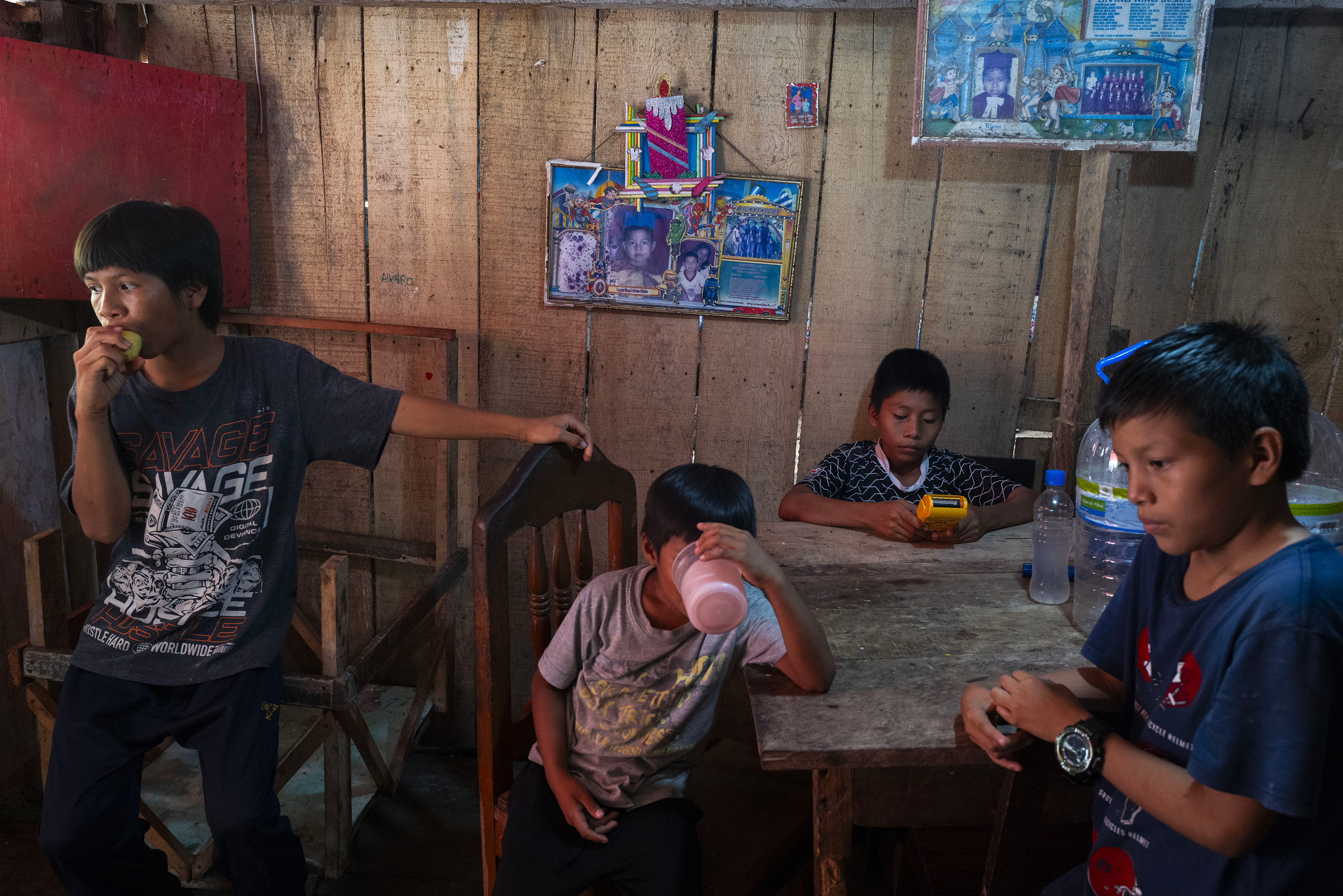
I find it hard to define my style, but I believe my way of photographing is sincere and open-hearted. I let myself be amazed, and I feel love for what I encounter. Perhaps I would describe it as a gentle and candid gaze. Stylistically, I’m certainly influenced by photographers I deeply admire: Nikos Economopoulos, Josef Koudelka, Alex Webb, Larry Towell, René Burri, Constantine Manos, Sabiha Çimen, Harry Gruyaert… and the list could go on.
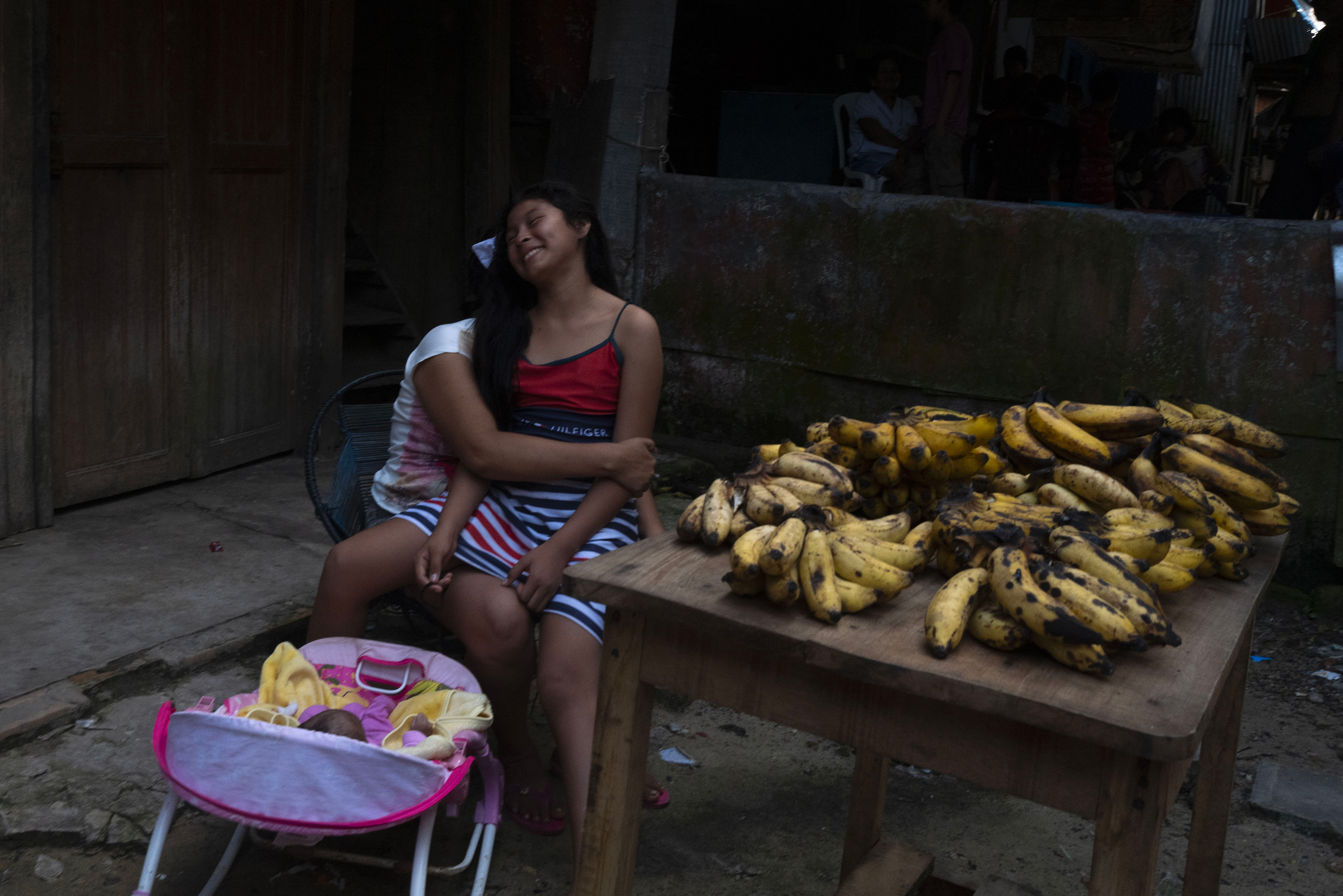
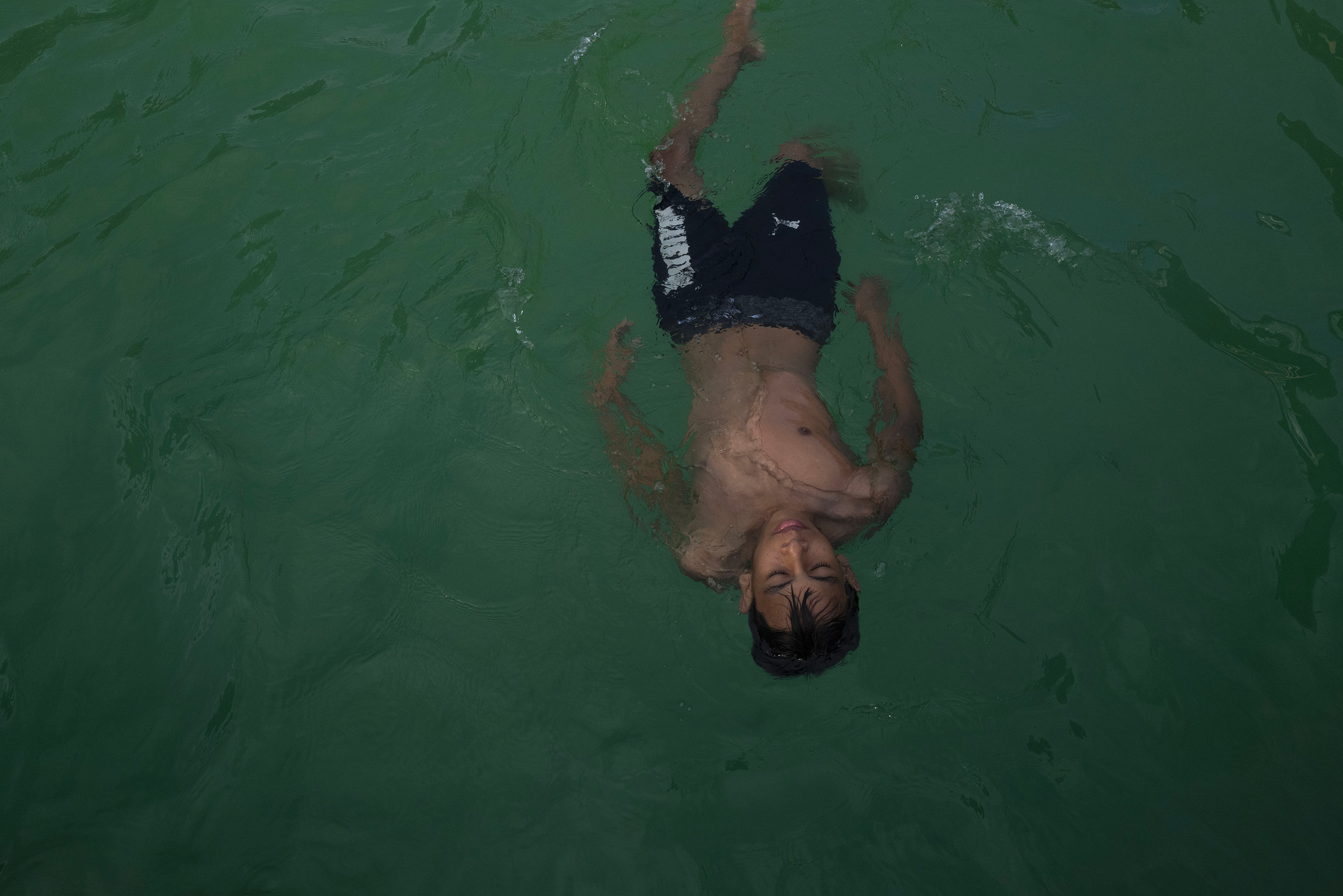
Who or what inspires you in your photography?
Everything around me inspires me. I deeply believe that inspiration comes from moments of humanity. Those moments when I can still see beauty in people and in what the world has to offer, despite the tragedies and horrors we’re living through. I’m inspired by all those moments that give me a little hope. And, of course, by the work of photographers who did it before me and continue to do it today.
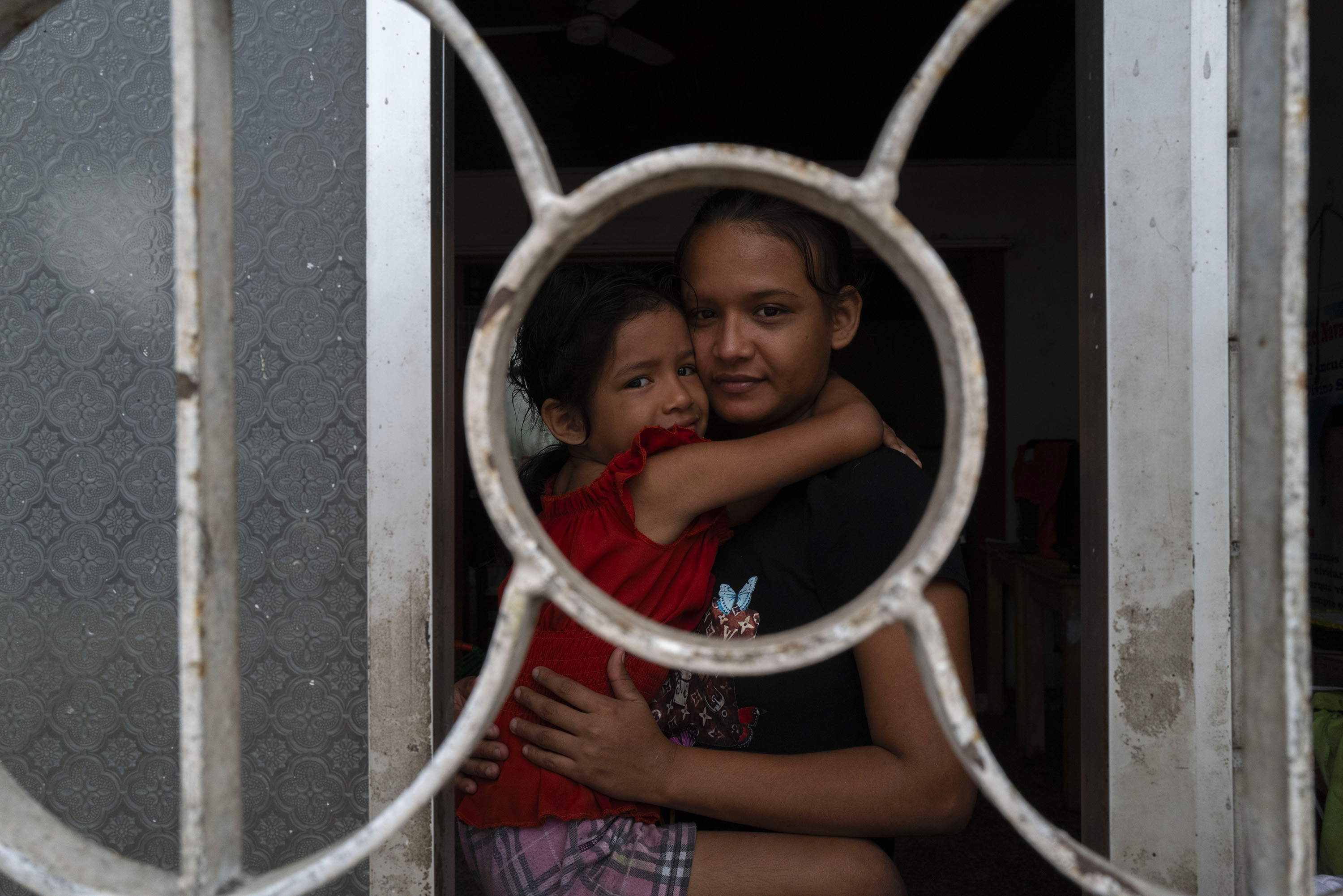
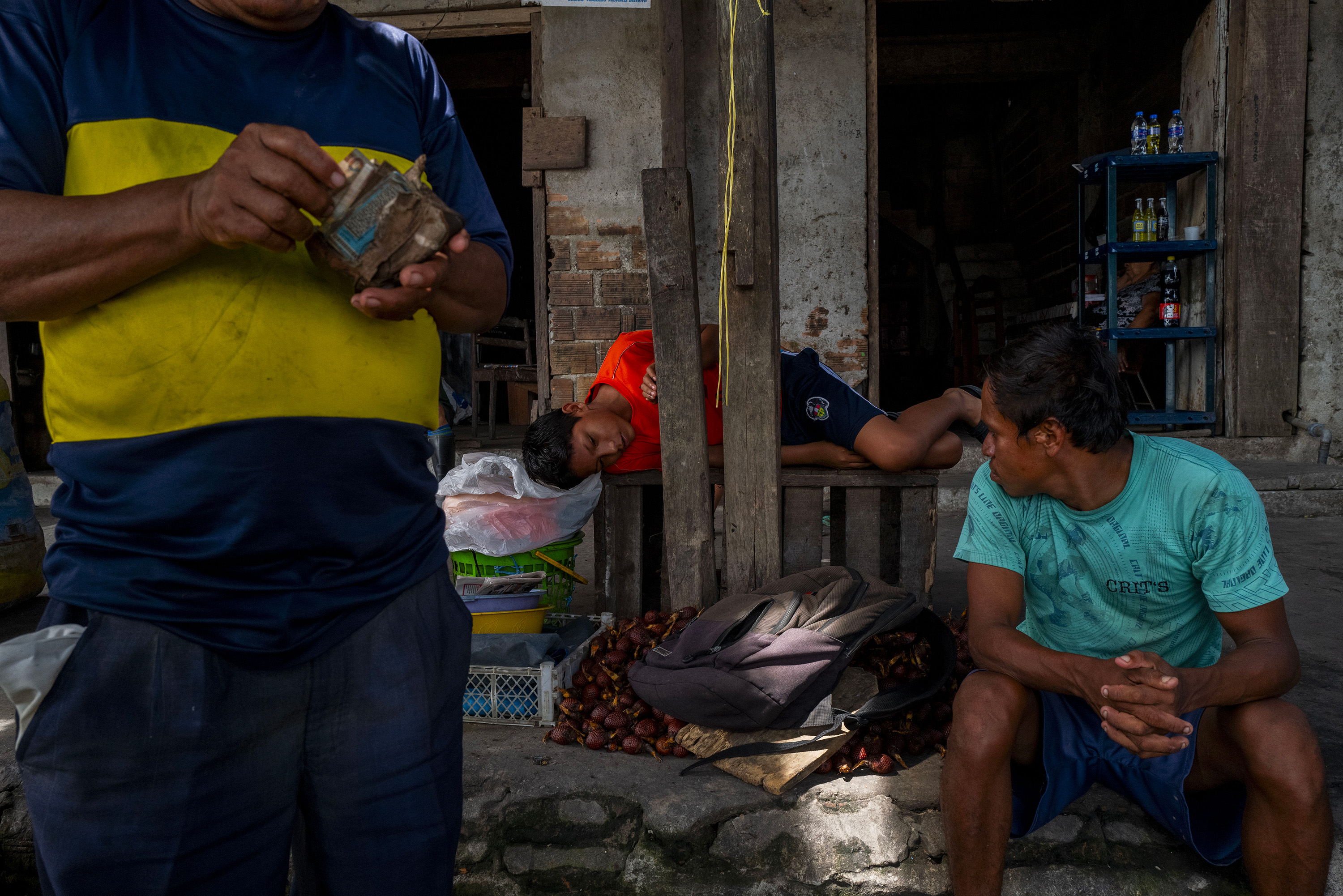
What does a typical day of street photography look like for you?
Walk. Walk. Walk.
What type of material do you use for street photography and why this particular setup?
I used a Leica Q for years, then the Q2. For a brief period, I tried the Sony a7 IV, and now I’m using a Canon R5. There’s no particular technical reason: Leica and Canon are cameras I felt good using, but I’m not very experienced with technical aspects. It’s more of an instinctive choice. What truly matters to me is what’s on the other side of the camera. I choose the one that allows me to work naturally and makes it easy for me to capture what I see.

How did you get to know BSPF?
Through Instagram.
What does the BSPF and winning first prize mean to you and your career?
Winning first prize at BSPF is truly an honor as it is a highly prestigious award. It’s incredibly gratifying, because you see the work of so many talented photographers, and you almost can’t believe you’re the one who came first.
It was also very meaningful that my work was selected by incredible photographers I deeply respect, people who are great sources of inspiration. Having my work appreciated and chosen by those whose work I love so much is deeply humbling and makes me believe even more in what I do, that I’m able to communicate something through my work, that the way I see the world resonates and stirs something in others.
In terms of my career, this is definitely an award that brings great visibility, and that can only benefit my path as a photographer.
What advice would you give someone who is starting out in street photography?
I would recommend looking at the work of great photographers from the past. Dive into books and archives, and don’t limit yourself to Instagram, which can be overwhelming. Learning through more old-school methods helps develop a more selective eye in a world oversaturated with images.
Then: go out and walk, walk, walk. Be honest. Get close to what you’re photographing and try to gently and respectfully push beyond your own limits and fears.
Often - and it’s a good thing - we worry about the fact that photography might bother the people on the other side. And yes, sometimes it does, but many times it doesn’t. I believe that if your intentions are good, and you want to photograph something because you find it beautiful, the person in front of you will feel that. And they’ll often let you photograph them with pleasure.