Interview with Nicolas Dykmans (First Prize Series at BSPF 2025)
Interview with Nicolas Dykmans (First Prize Series at BSPF 2025)
Tell us something about yourself and how you became interested in street photography.
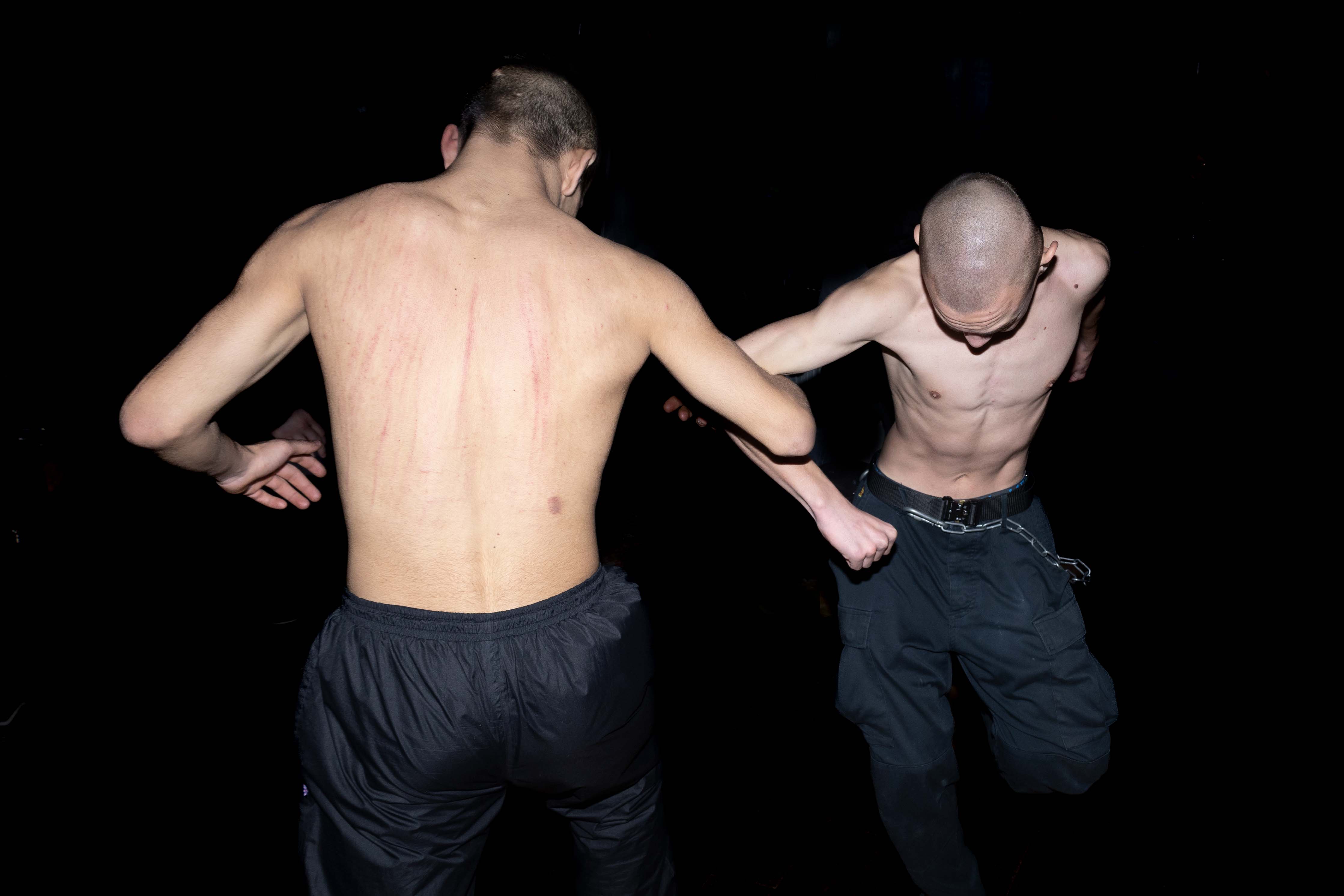
I was kind of in an early midlife crisis when I started with photography about three years ago. First, I did it just for fun but then I got really hooked. At one point I realized that photography allowed me to go to incredible places, it was like a passport that gave me permission to go to places where ‘normal’ people can’t go. I took photos in a prison; I photographed in a Roma camp in Macedonia... this medium really opened doors to fascinating places and stories.
How would you describe your style of street photography?
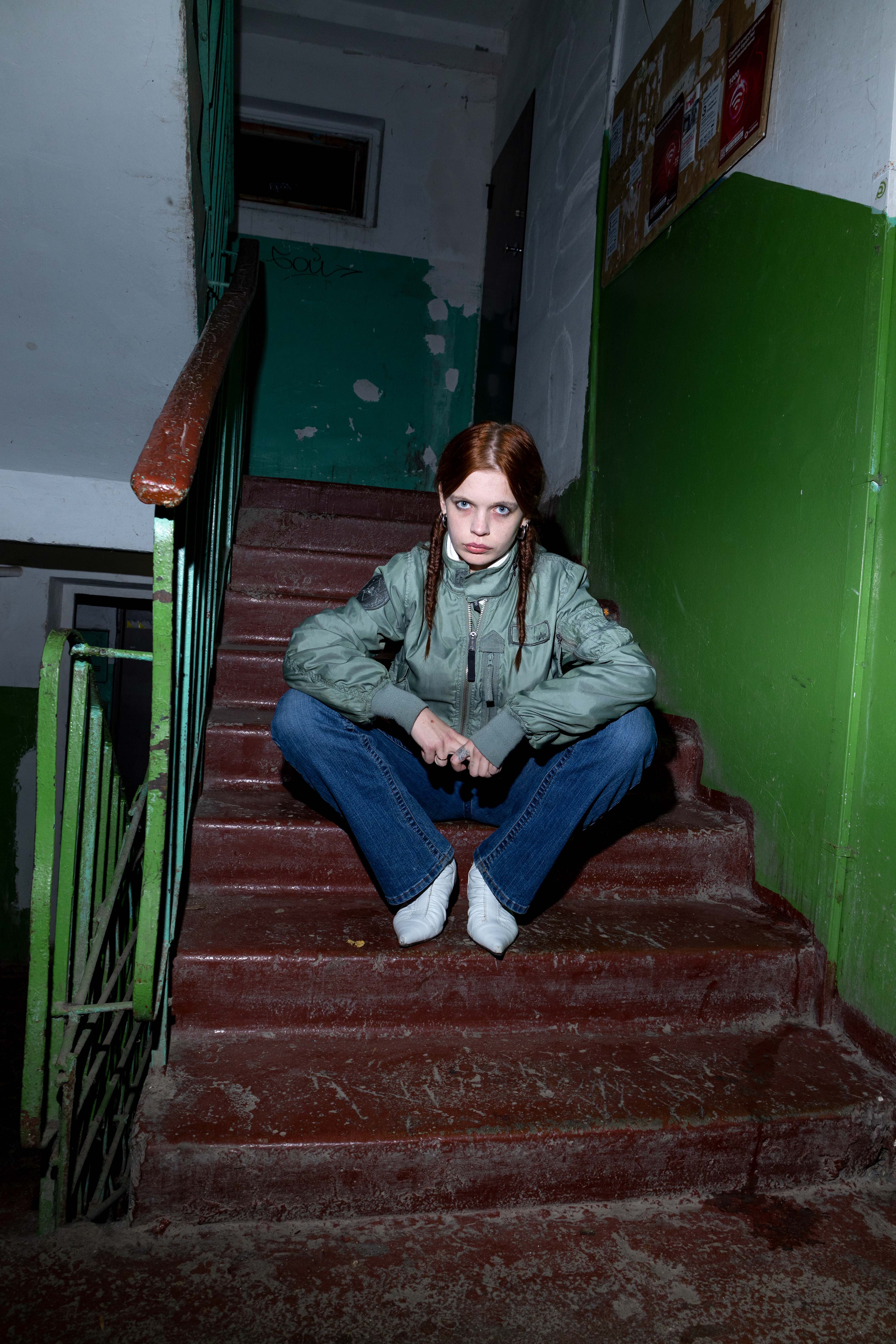
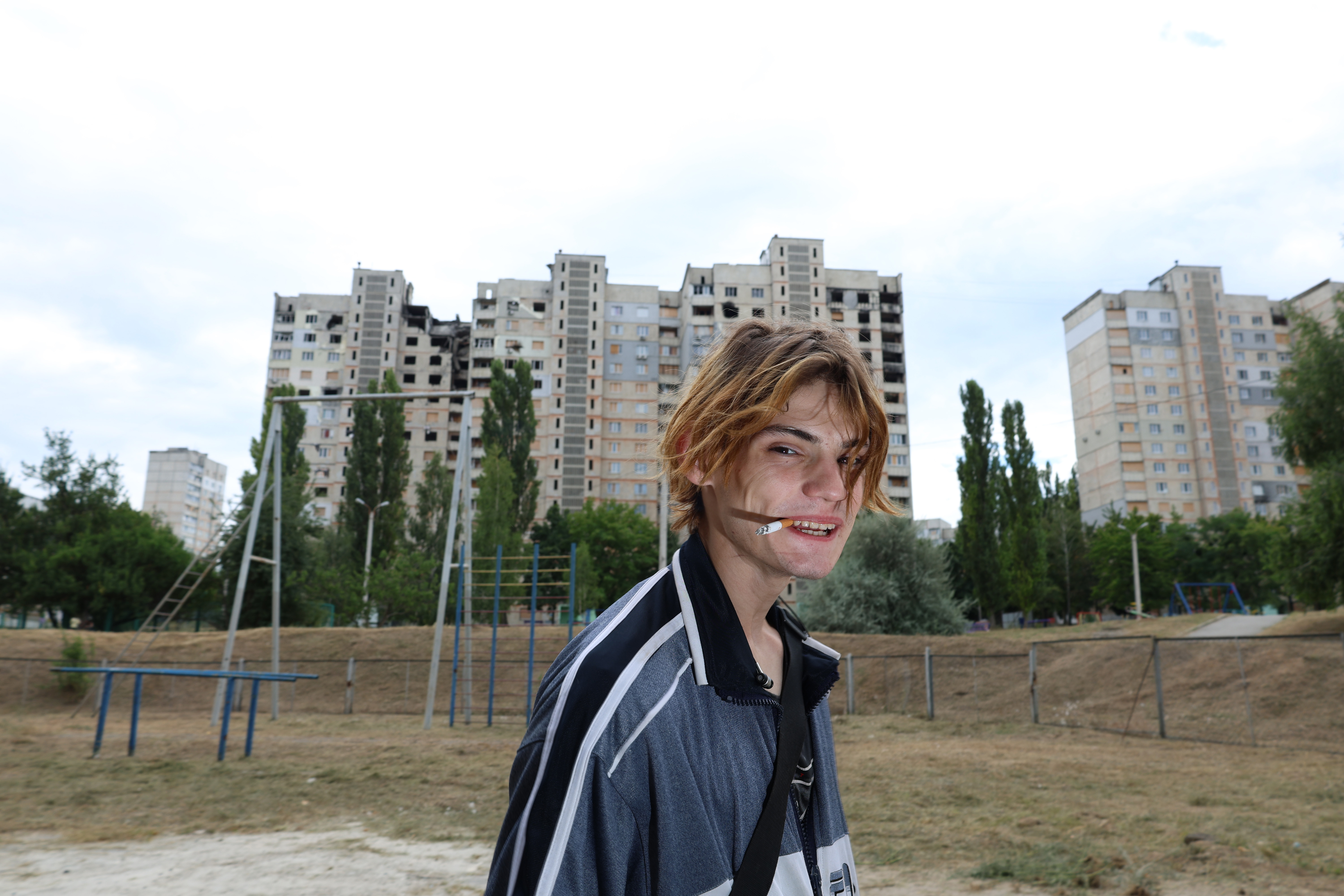
My photography has elements of portrait and documentary photography but the general description that captures it all is street photography, because that is literally what I do all day.

Who or what inspires you in your photography?
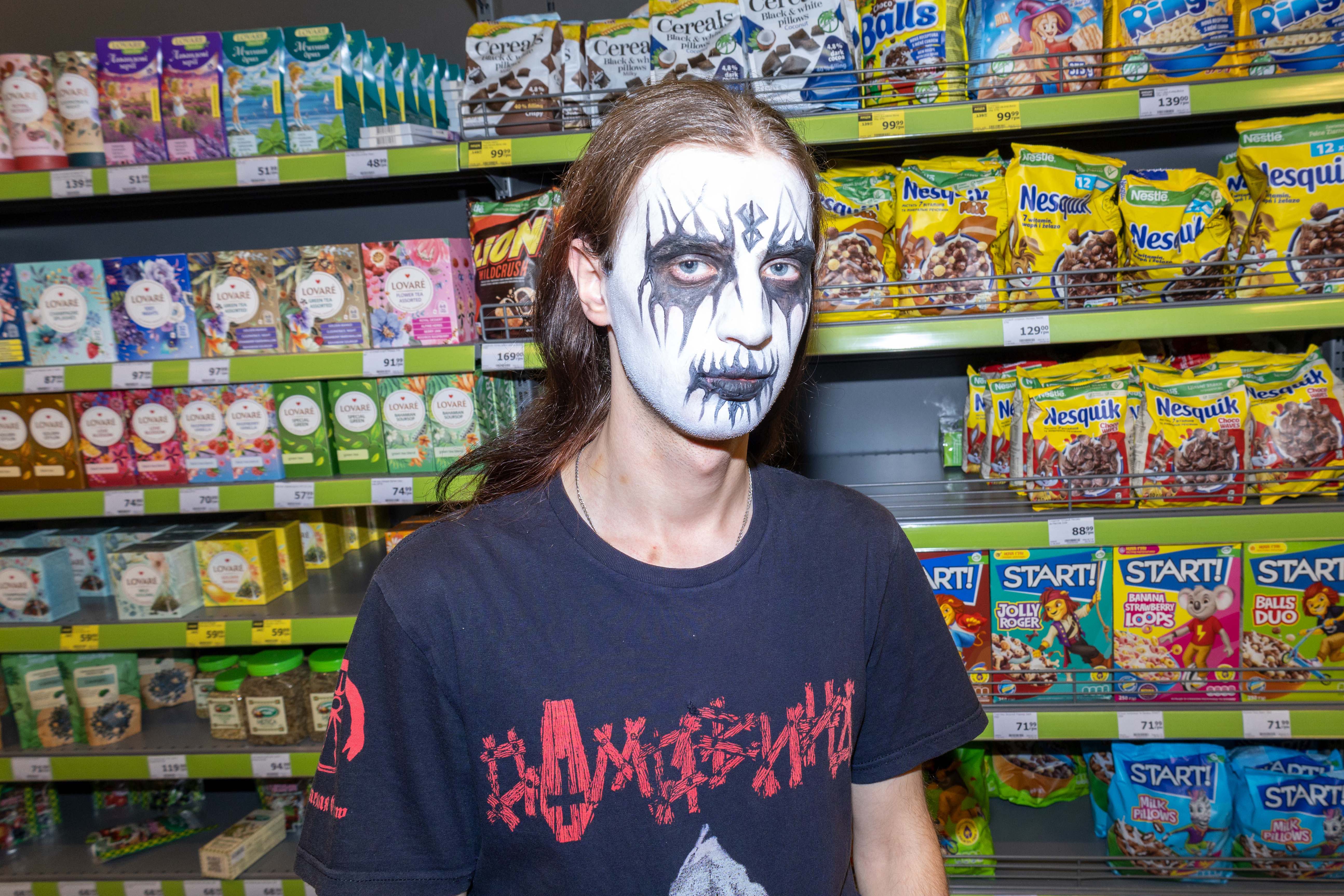
Early Bruce Gilden is a big inspiration. I’m less a fan of what he does now because I feel it became quite systematic, less humane and there is less composition. He inspired me when I saw the videos of how he worked, just seeing that this was possible and how people react.
People are sometimes puzzled by how I work, but I feel that when you are upfront and don’t hide what you are doing, it works way better than when you are sneaky about it and use a zoom or shoot from the hip pretending you are not taking a picture. I think it also has to do with work ethics that I never hide the fact that I am taking pictures.
I am also a huge fan of Mary Ellen Mark because we are both interested in the same kind of subjects: people who live on the margins of society. And then there is of course Diane Arbus, she is like a goddess to me!
How do they react when you photograph them?
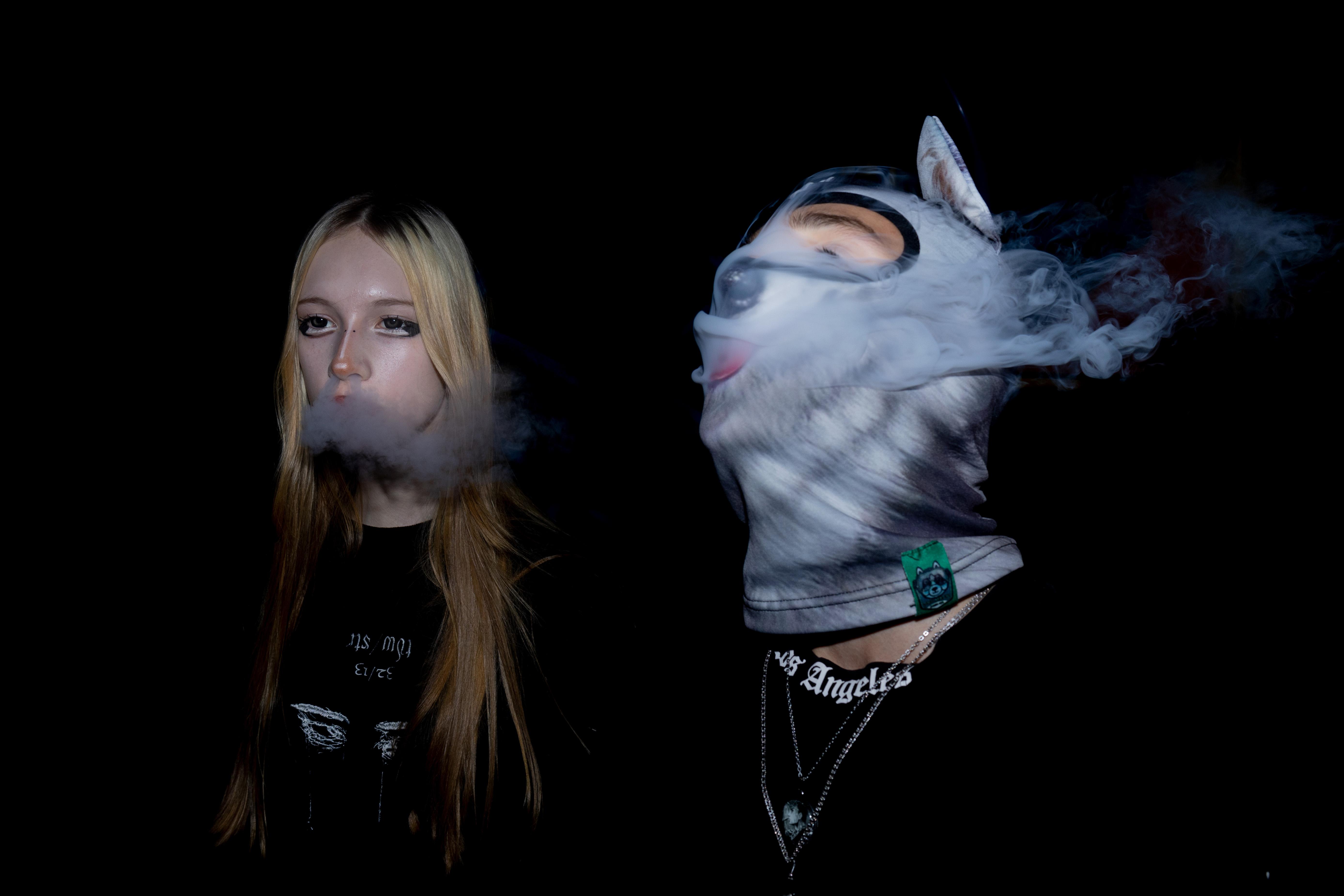
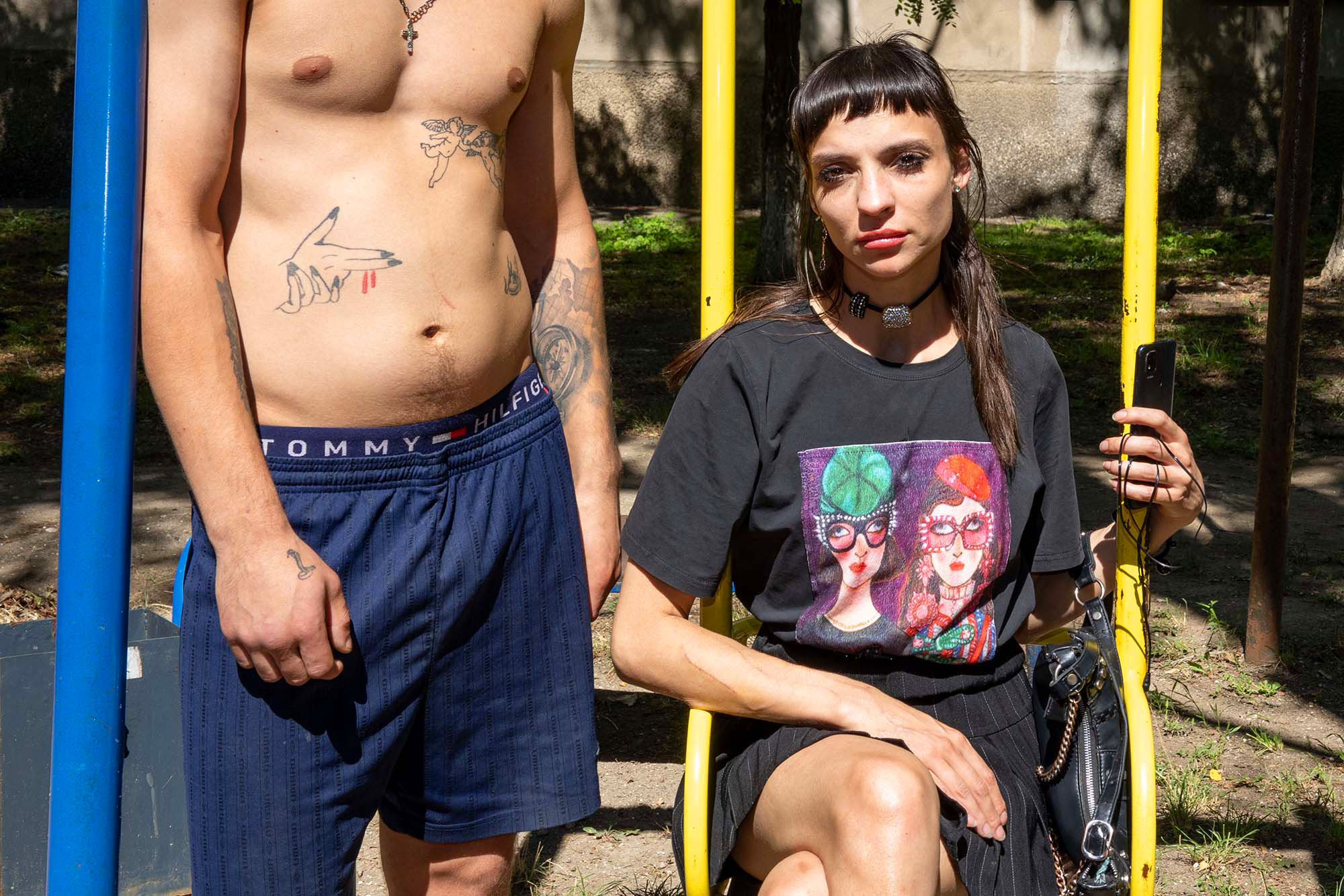
Super well, and that is something that has encouraged me to continue. Before coming here, I was nervous and afraid and questioned if it was okay for me to make these kinds of pictures when these people are going through something as traumatic as a war. But the comments on my Instagram are very positive and people really love it. They are happy that someone shows life rather than death in their country. Also, Ukrainians have a great sense of humour, in that sense they are a bit like Belgians. They know that they have certain idiosyncrasies, and they find it funny that I show them.
What does a typical day of street photography look like for you?
I wake up in the morning, I take my camera, and I walk the streets. Sometimes I’m a bit narrower in my strategy and decide to focus on the graffiti scene for instance, or the skateboarding scene. I seek out who are into these scenes and follow them to a specific place. Here in Ukraine Instagram is really important for me because I have a big following in the country. Whenever I want to seek out a specific group, culture or place, I post a story, and I get a lot of replies of people who want to help me.
How did you get to know BSPF?
I live in Brussels and of course I am aware of what is happening in photography in general. I tried to get in last year but was not selected. My selection of pictures was simply stronger this year.
What does the BSPF and winning first prize mean to you and your career?
Well, it is feeding my ego and it feels good to be recognized, especially by such great photographers as the members of the jury. I am a great fan of Harry Gruyaert as well as Alessandra Sanguinetti. Because I'm a bit older, the prize money isn't that important to me, so I donated it to an NGO.
What advice would you give someone who is starting out in street photography?
To be bold and not be afraid of engaging with people. If you want to take photos of people you simply must get out of your comfort zone and engage with them. I really agree with what Robert Capa said that if your pictures aren’t good enough, it’s because you are not close enough. Close enough doesn’t mean that you have to be extremely close, sometimes you can be 10 meters away and that is close enough. But if you see something and you know that in this case you must be 1 inch away, then you simply have to get closer.