Interview: Kevin Scarlett shares his top gear picks from MPB
Interview: Kevin Scarlett shares his top gear picks from MPB
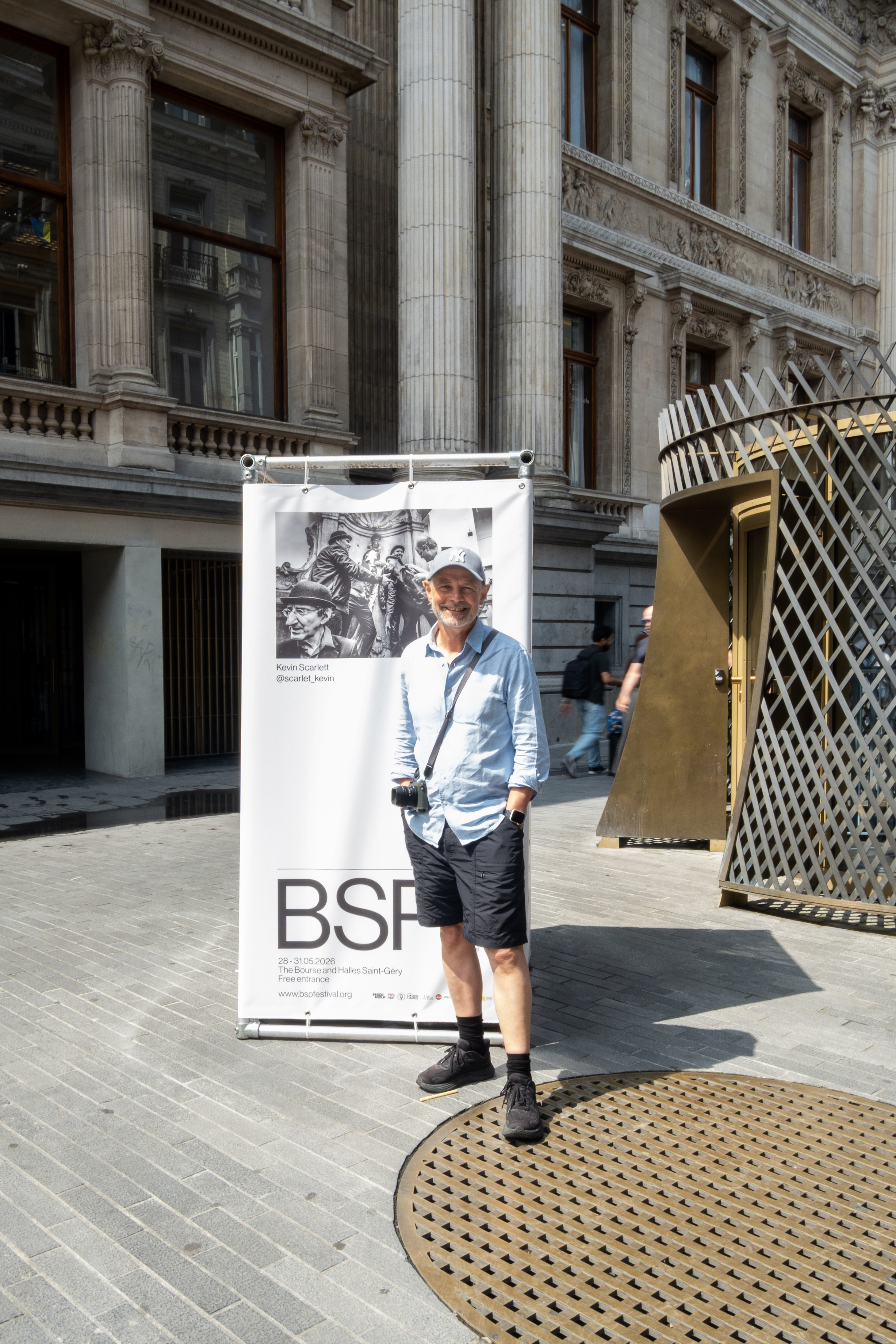
For BSPF’s 10th anniversary, we’re collaborating with MPB, the world’s largest online platform for second-hand photo and video equipment. As part of this partnership, three Brussels-based photographers were given the unique opportunity to borrow and test €5,000 worth of gear from their platform—completely free of charge. Kevin Scarlet is one of these lucky photographers. We met up with him during the festival.
Hi Kevin! Nice to meet you. Can you tell us a bit about yourself?
I’m English, originally. I came to Belgium in my late 20s after being approached by a headhunter for a job at a graphic design company here in Brussels. It was initially a three week trial, which then turned into three months and eventually three decades! The pace and quality of life appealed to me along with Brussels being far more cosmopolitan than my home town. The company was looking forward to the technical revolution yet to come, designers were respected more too, and the creative environment felt good.
Now, I still work in graphic design, but not with the same intensity. Photography has always been a parallel passion. I’ve done some agency work, portraits, and I have a press pass, so I shoot at various events or the EU Parliament, for instance.
How would you describe your personal style and approach?
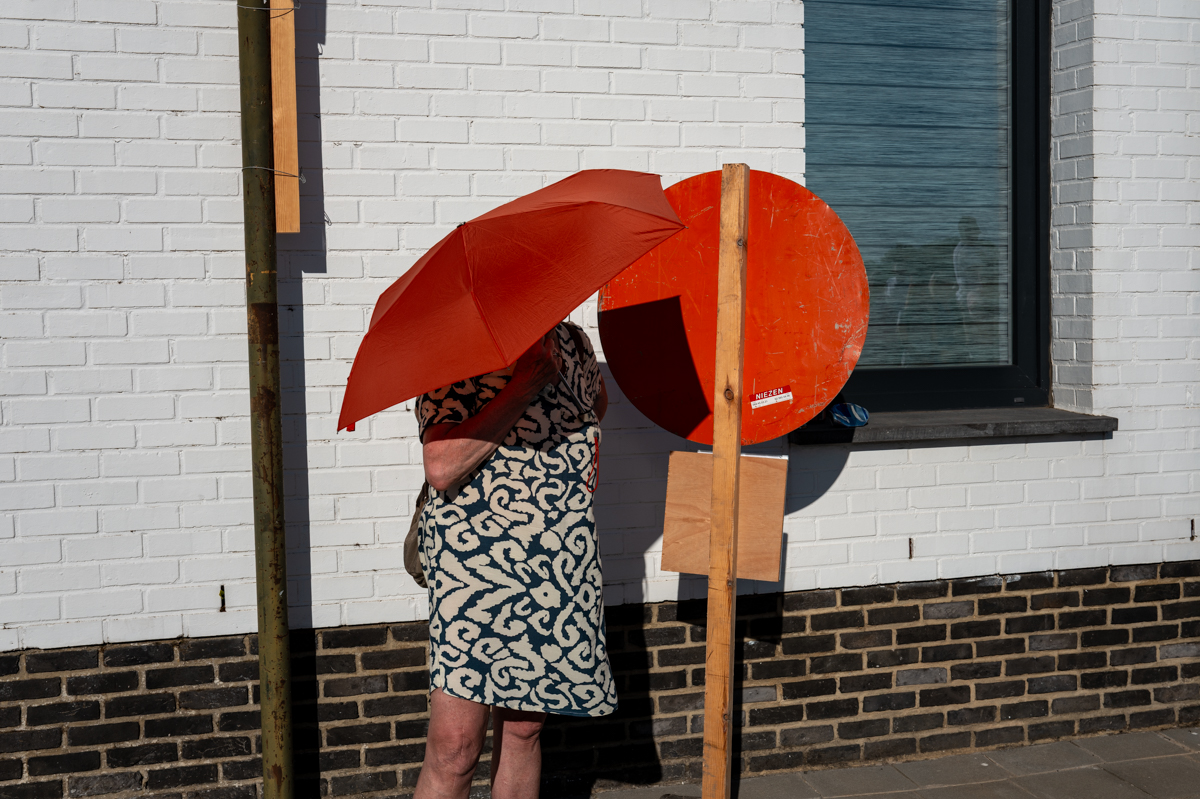
I have a problem with the concept of style—I think it’s better when it comes from the outside, not from within. When I go out, I try to keep an open attitude as much as possible. I don’t like to have preconceived ideas; I want to be a sponge for the streets. I can’t stick to just one style.
For my single image entry to the competition, it leans towards a more documentary style—straight and clean. But for my series entry, I allowed myself to be wilder, more experimental, if it suits the subject. It really depends on the project at hand. When I go to official events, I try to approach those in a street photography style too—I don’t follow the journalists and reporters. I look for the unexpected, the unconventional.
In terms of composition, I shoot a lot without looking through the viewfinder. It’s all muscle memory. I know that if I point my camera in a certain way, what the frame will be. I look for the graphic construction, for diagonals. If it’s too flat, I try to find another angle. Light is important too, but you don’t always have control over that. But in those cases, I tend to use flash a bit more.
What role does street photography play in your practice?
What I love about street photography is that you have no control. Letting go of that need for control can be very therapeutic. In graphic design, you have to be in control of everything—every pixel, every detail. Photography, especially street photography, is my way of releasing myself from that system. I would describe it as a rebel in the room of photography. It doesn’t always have to be pretty.
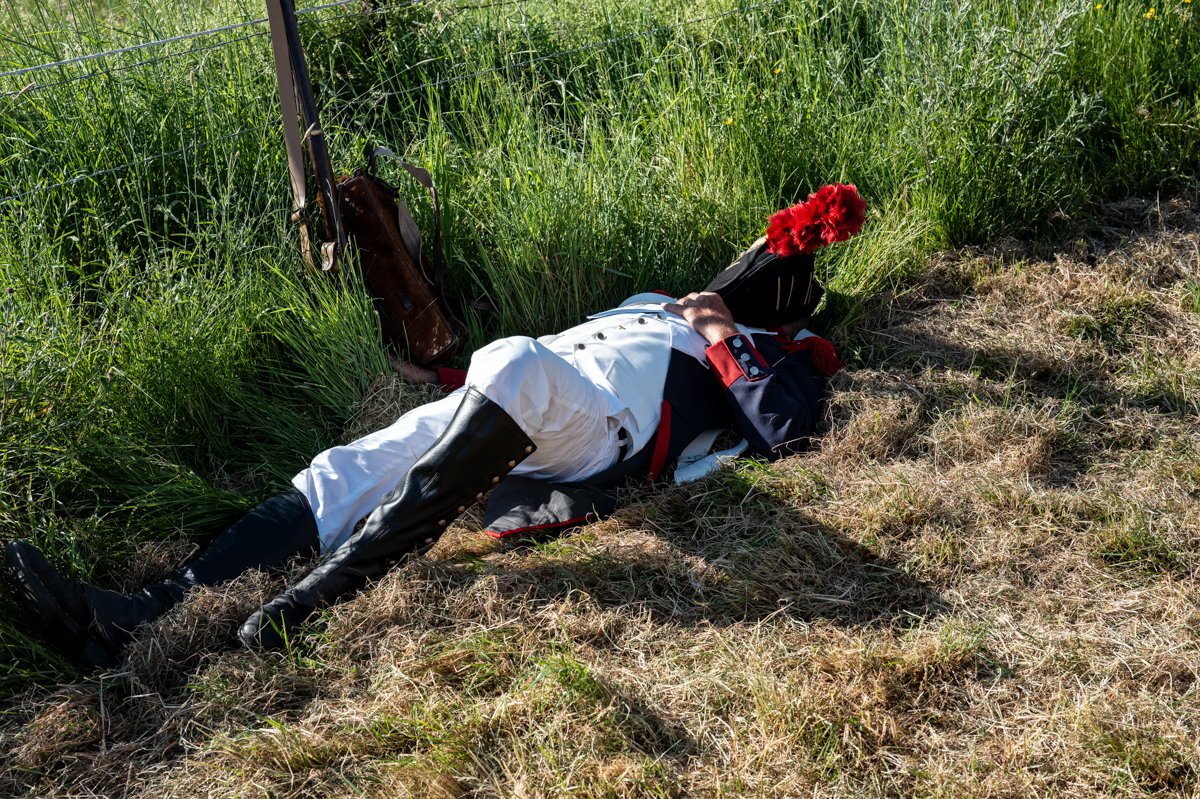
What’s your relationship with Brussels?
When I came here this morning, I passed through the Grand Place, and there’s always something happening there. It’s a must for me; I go there every time I’m in the centre of Brussels, no matter the weather. One of my earliest street photos was actually taken there. Sometimes I also stop by the Manneken Pis. I even did a two-year project on it because I passed it daily and wanted to capture it in a new way. I’d never seen a good photo of Manneken Pis, so I wanted to challenge myself. I took a photo there every day for months. At first, nothing appealed to me, but then one photo just clicked. The essential thing was not to include Manneken Pis itself—you just know it’s there by everything else in the frame.
Brussels is so diverse and ever-changing that I never get bored of it. It isn’t always the prettiest place and it can often be a mess. But I love finding beauty in the normal, in the chaos. You have to work with what you have, and in Brussels, that’s a given. There’s a surrealistic quality here because people mix the unmixable. You can have something elegant and sophisticated next to something chaotic and ugly, and somehow, it works. And, of course, I love the good food and good beer.
You recently tried out some photography gear from MPB. What did you select, and how was your experience with the material?
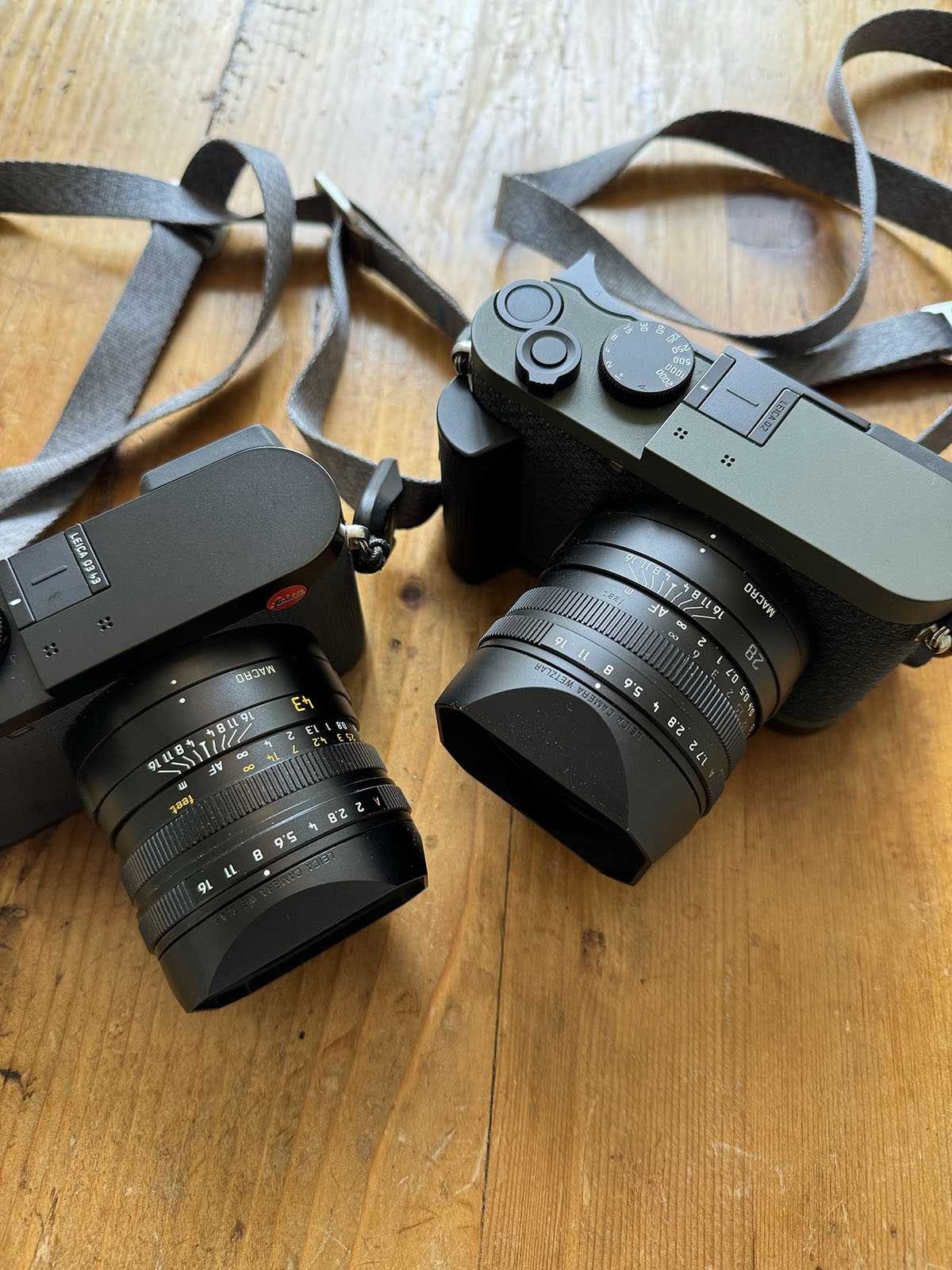
I chose the Leica Q3 with a 43mm lens. It was slightly over budget, but luckily MPB agreed to the loan. I was really eager to try this equipment so that I could compare both the evolution of the model and the different focal lengths of the lenses to my own gear, which is a Leica Q2 with a 28mm lens.
I also wanted to see if it would change my approach. The 28mm on the Q2 gives you a wide field of view, which means you have to get close unless you’re taking a broad shot. The 43mm lets you stand back a little more. It’s a narrower field of view, more directed. The flip screen is new on the Q3, though I don’t use it much. I don’t think it’s well-incorporated into the body—it sticks out a bit. I’m sure the newer versions will be better built. The resolution on the Q3 is higher, 60 megapixels compared to 48 on the Q2, but I do have to say the lens is beautiful, with fantastic bokeh.
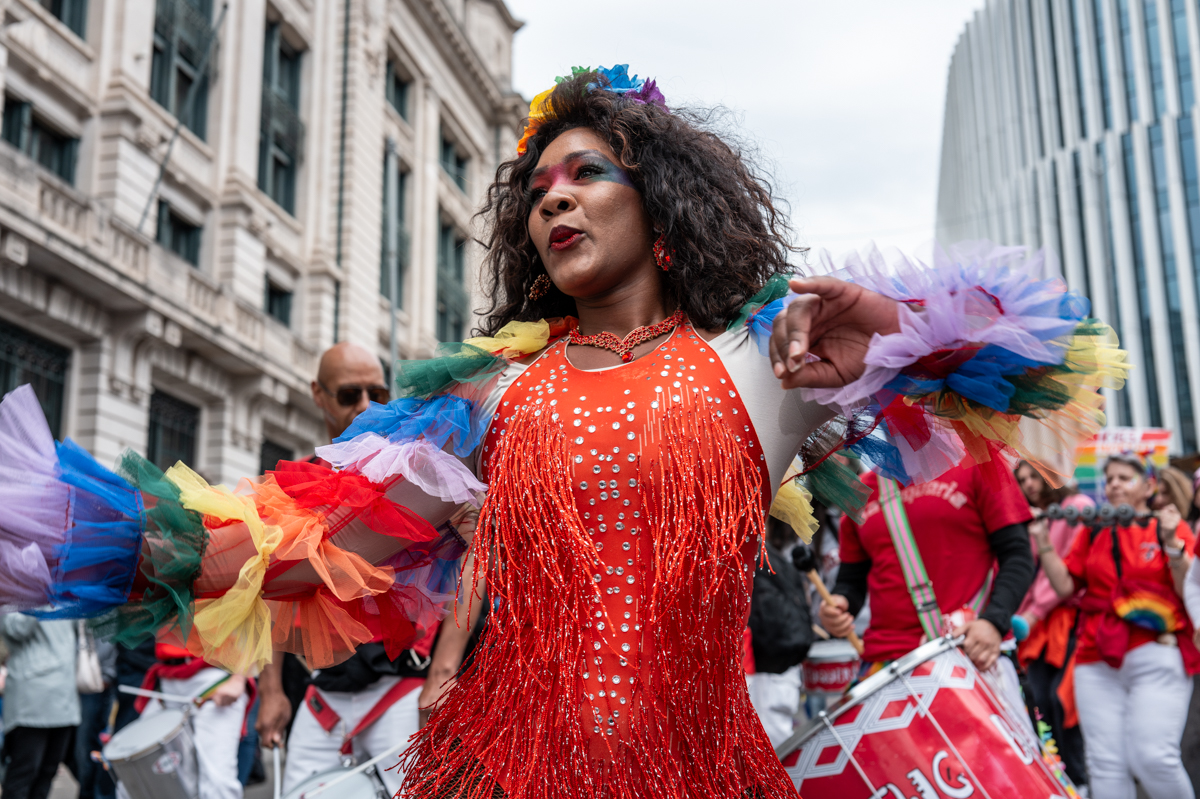
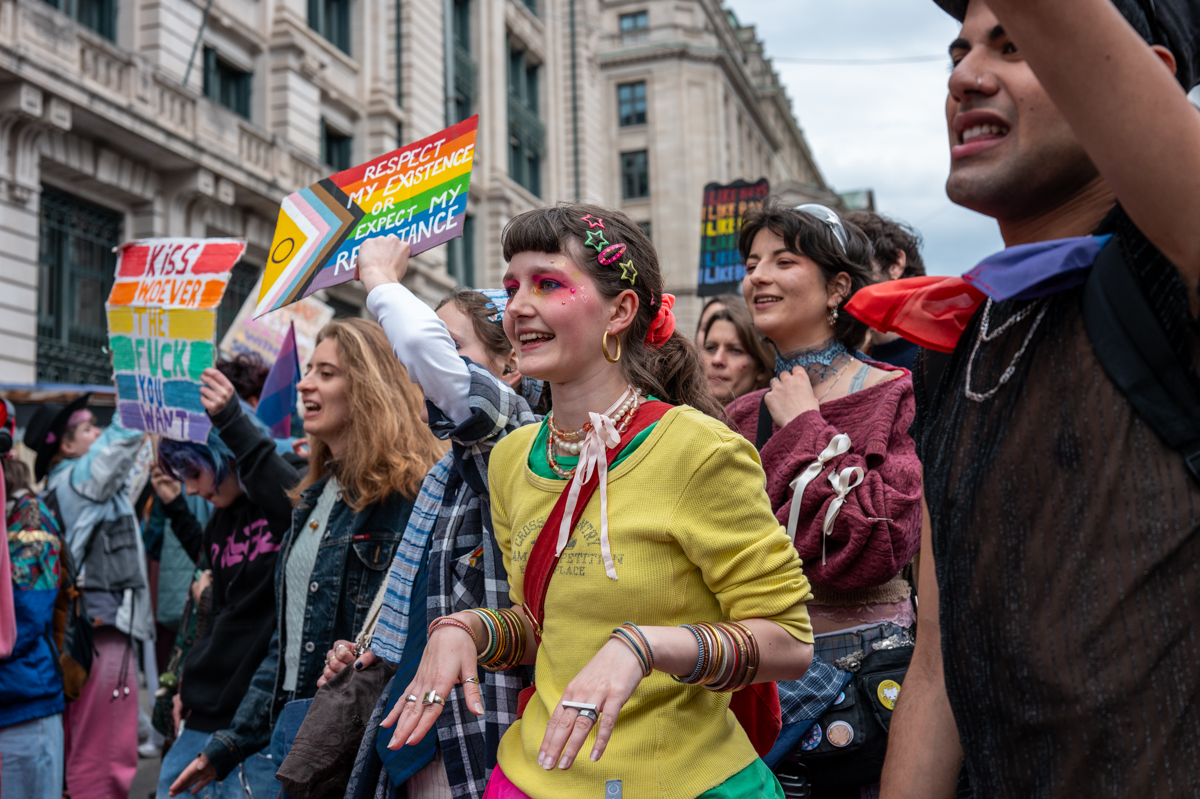
Can you tell us a bit more about the photos you took?
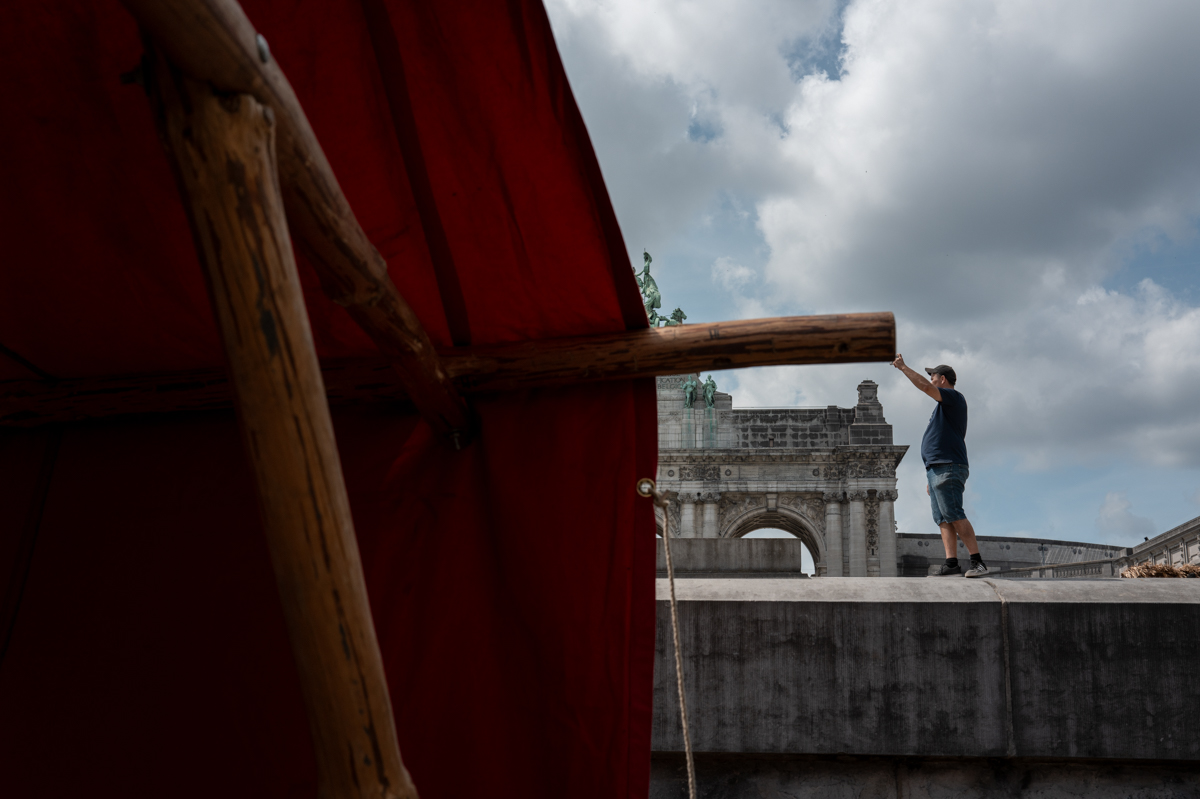
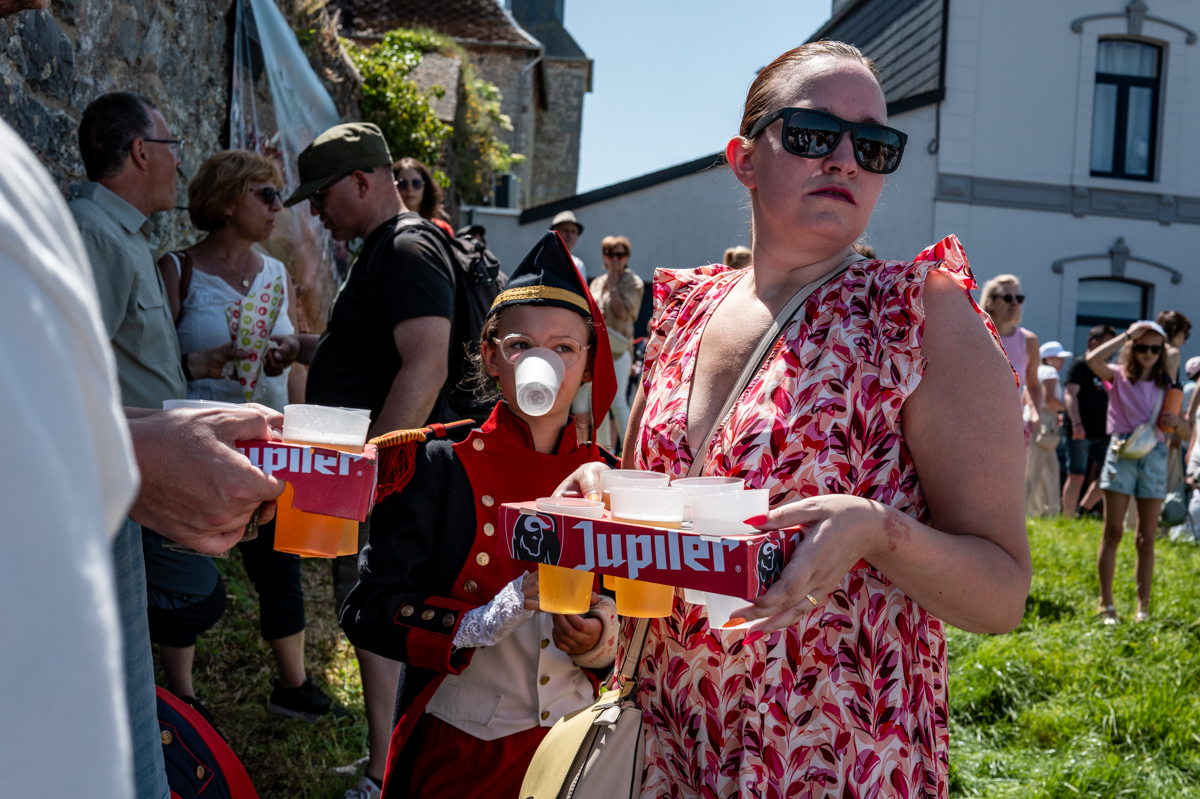
I only had the Q3 for a short time, and it took me some adjusting since I was comparing both cameras simultaneously. I shot during Brussels Pride—unfortunately, it was cloudy. Then the sun came out, and I went around Brussels with just the Q3 for a few days. Towards the weekend, there was a medieval festival at the Cinquantenaire, which, as usual, threw up some surprises! There was one picture I really liked, but I do wish I’d had my other camera for it. I found myself stepping back instead of stepping in, which was a bit annoying since I’m not used to it.
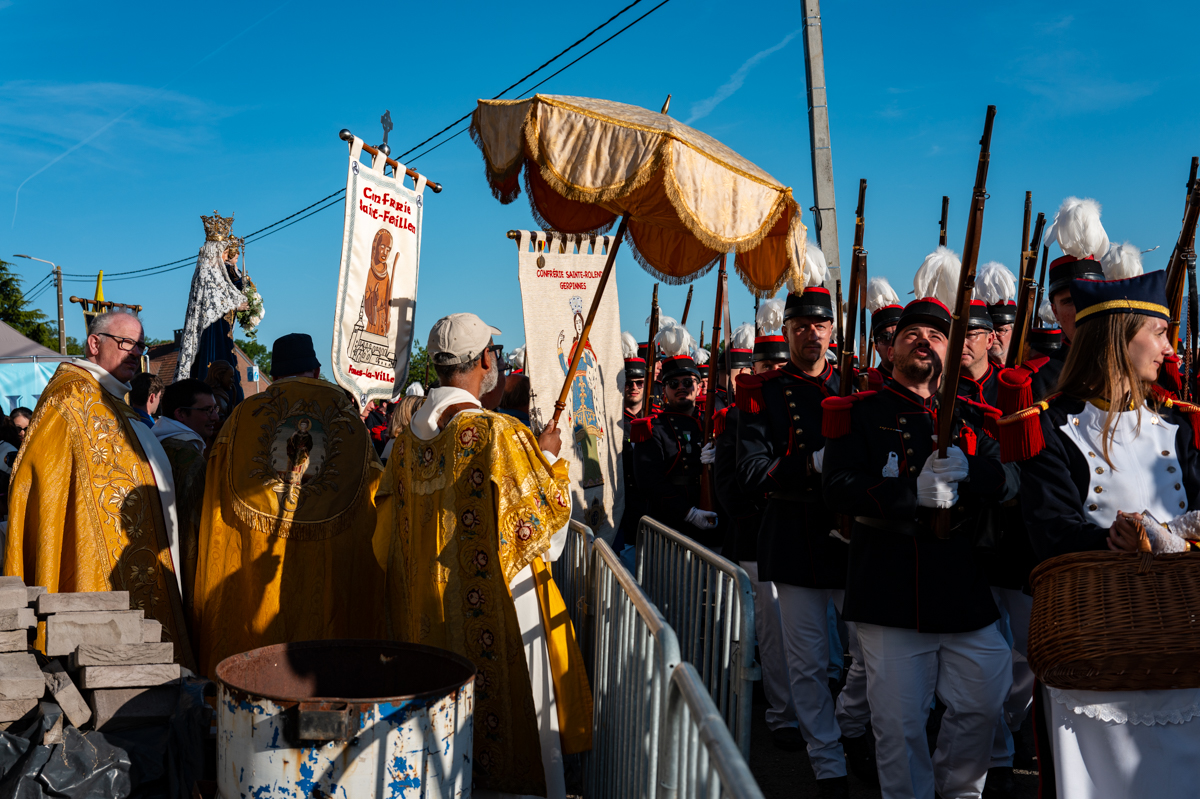
The main aim for the 43mm was for a big event in Wallonia, the Tour of Sainte Rolende. It’s a religious procession of about 35 kilometres where a relic of this patron saint is carried through villages and fields. It was incredibly hot, and I walked 50,000 steps that day. I took about 700 shots with the Q2 and 200 with the Q3. It was a bit of a habit—I still tend to pre-visualize my shots based on my trusted 28mm lens.
You’re quite the BSPF regular. Can you tell us about your connection to the festival?
It’s a long story, really. I’ve been involved since the very beginning, 10 years ago. In 2015, I had a serious accident—a near-death experience that was quite traumatic. But it made me realise that I wanted to do something more with my photography. I had three to six months of convalescence during which I couldn’t work. But I was still photographing, albeit with my non-dominant hand. I had a lot of pictures just sitting on my hard drive, and that’s when I saw the promotion for the first BSPF in 2016. I submitted some of my recent pictures and was lucky enough to be selected in the Singles category. I met Dani, the founder of the festival, and the ambiance was great. It was all handmade and a bit DIY, but there was so much ambition and professionalism.
In 2017, I wanted to do better. I entered my series about Manneken Pis and was selected in both the Singles and Series categories. I actually won First Prize in Singles and First Prize in the Brussels Series competition. It was incredible—I still live that moment. The year after, I was a jury member for the Singles category so I saw it from another angle. The next year I entered again and every year since, I’ve been selected every edition either in the single or series categories.
What are your plans for this year’s edition?
I have quite a long list! This year, I’ve been selected for the Singles, Series, and Brussels Monuments categories, so I’ll definitely be attending the awards ceremony. I have a portfolio review with Jesse Marlow, a photo walk with Sonia Simbolo, and I’ll be at the Zinneke Parade, most likely shoulder to shoulder with the other photographers. I’m also doing a book signing. And, of course, having drinks with friends and hopefully meeting new ones.
Any words of advice for aspiring street photographers?
Find a corner—a fountain, a square, a street—and go there every day or every week. Shoot a lot of images, create a relationship with the place, the people, the light, the different times of day. Use it as a practice ground, a playground. You have to find a place where you can explore and be yourself.As for approach, I’d say: be open. Will you be like a hunter or fisherman? It depends on the occasion. I can sit in one spot for half an hour, or I can be walking head-on. You can’t just have one trick up your sleeve. If you’re always fishing, it’ll get boring. Funnily enough, I used to fish when I was a kid, so I know what it’s like to come home empty handed!
MPB is transforming the way people buy, sell, and trade photo and video gear. As the world’s largest online platform for used photography and videography equipment, MPB is a destination for everyone—from passionate beginners to seasoned professionals. MPB is dedicated to making high-quality gear more accessible and affordable, while promoting a more sustainable future. Each year, MPB recirculates over 615,000 items, extending the life and creative potential of equipment for creators worldwide.
Visit MPB to explore their extensive range of used photo and video gear.